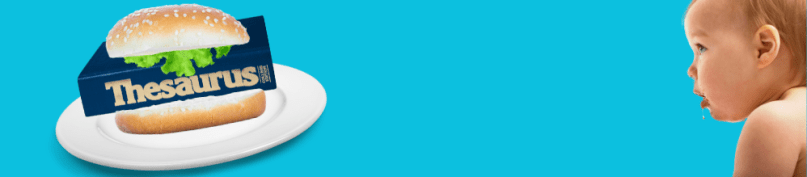
Image shows baby drooling at a burger, but the burger is a thesaurus in a bun

Opinion: Ima need you to stop eating thesauruses

One of the biggest mistakes new writers make, and how to avoid it.

I’m going to hold your hand when I say this (so you know I’m saying it with love) but STAAAHP eating thesauruses and puking them out onto paper. Stop it.
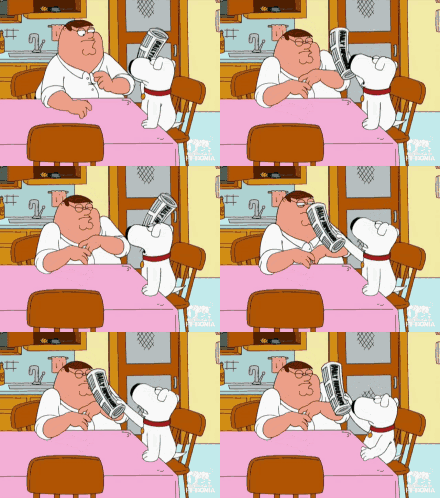

And before you get mad and start typing up those incredibly eloquent responses… calm down. This is to help you. And if you don’t want it, you don’t have to take it. We respect everyone’s boundaries here.

As a beta and arc reader I am sent books from authors wanting my opinion (some just want praise, but TOO BAD, I’m a prick), and over the last couple of years or so, I’m starting to see a pattern. Not a good one. With the recent rise and success of self-publishing (the success part mostly being uncle Jeff’s profit margins), anyone and their mums can write and publish a book with not too much effort (and with gen ai, you don’t even need to type. What a world we live in). This, in my opinion, is a good thing. Not the ai part. The freedom to self-publish part. Creativity should not be gate-kept, and I’ll stand by that statement, even if I also believe that some things should remain as inside thoughts or kept on AO3.
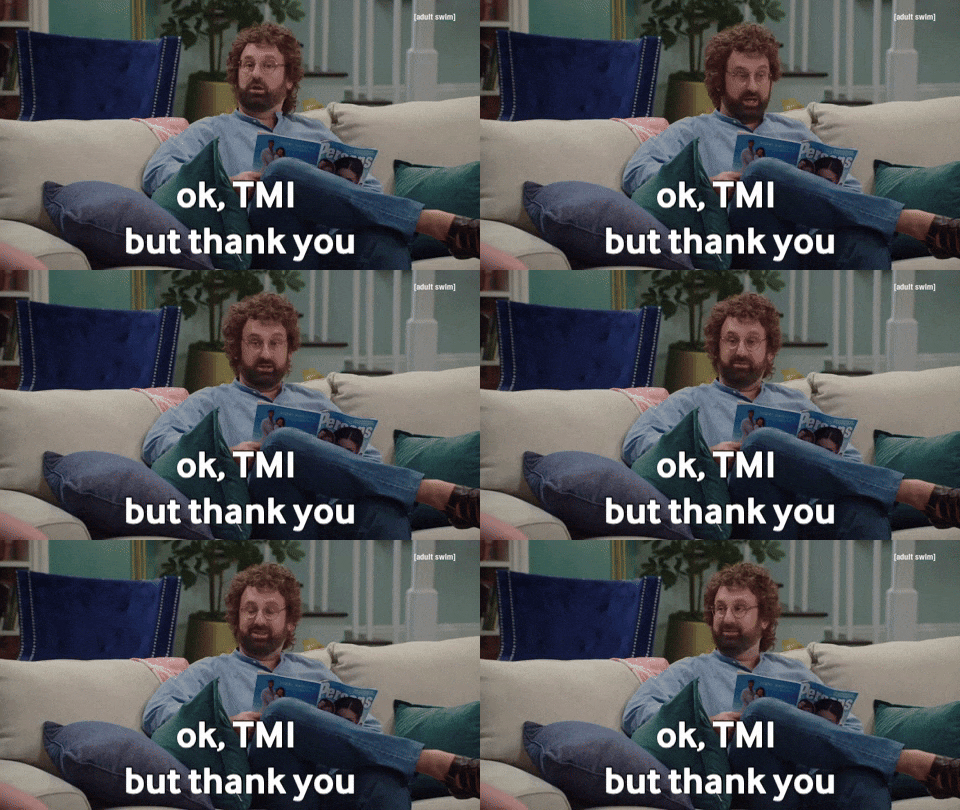

We don’t tell artists that they’re not artists just because their work isn’t in a physical gallery, so why do we keep shoving the mentality down everyone’s throats that you’re only an author if a traditional publishing house bought the rights to your book? Just look at furry smut artists. I know those guys are making bank. They’re still artists. Even if you don’t like it.

The downside, is that with the lowering of the gates comes a tide. Just as furry smut artists are still artists, any mediocre white dude who wants to jizz up a wall can call it art if he’s bold enough, and unfortunately I know a few circles who would eat that shit up. Not literally. Actually… Let’s not think about that.

Anyone can publish whatever they spew onto a page and call it a book. This is the cost of freedom, people. It’s a wild west out there. I’m not going discuss the quality of trad publishing taking a dive because yay capitalism, yay gen ai stealing our editing jobs, or say without a doubt that all self published books are terrible.

They’re not. Mine exists.
Let’s get back to the problem. Much like a weary teacher of gen alpha students, my advice to authors seems to be increasingly falling on deaf ears (if I don’t get messages hurling abuse at me). How dare I question their genius. They’ve done their ten thousand hours, damnit, so what do I know – I’m just a filthy, lowly reader. All that time I spent studying English Language & Literature at college means NOTHING.
The Problem

Short story for context: I recently received an arc of a book from an American writer who’d based their story in 20th century England. Admittedly I am a little more lenient with people who don’t live here, as they might have an idea of the UK that’s purely media informed, and therefore not accurate. It’s not actually Bridgerton over here, chaps. Even with that in mind, from the first page I was horrified. The main character spoke in such a strange, formal manner that I was immediately pulled out of the story. Side characters were also just as formal, using words that no one in their right mind would use unless they were giving an academic talk on the creation and development of the thesaurus.

“But I’m writing from another time!” – Sir, you are writing from the 90s.

We don’t talk like that. Nobody talks like that. We haven’t spoken like that since the Victorian era (arguably we didn’t speak like that in the Victorian era either), and unless your book is a historical drama akin to Jane Eyre, I do not want to see the Queen’s English appear on the page (Yes I know we have a King now, I don’t care).

You know why Colleen Hoover books sell so well? Because they use informal, every day language, and the masses relate to them. I’m not sure what that says about the masses, but there we go. And you know what? I enjoyed Verity, actually. There. I said it. I’m only using Hoover as a mainstream example here because A) her name is instantly recognisable and B) her writing style is very easy on the ol’ eyes. Of course, there are many authors who use poetic, achingly beautiful prose who are masters of their craft and bestselling authors. Brandon Sanderson is now a household name for fantasy writing, and I don’t have to pause every 30 minutes to look up a word that I’ve never seen before.

The point is that most of us plebs who read for entertainment don’t want to feel like we’re being beaten around the head by a thesaurus, and your job as a writer is to communicate clearly and effectively.

Anyway.

One of the biggest, hugest mistakes I see made by newer writers (I’ve also been guilty of it in my youth) is the use of overly formal language, with as many big words thrown in as humanly possible. Quite often it’s done to make the author appear more intelligent. I’m not sure where this behaviour stems from, perhaps from a fear of the writing coming across as YA (the horror), or maybe it’s to appease pseudo-intellectualist elitists who like to shit on any genre that isn’t the ‘modern classics’. Yes, yes, we’ve all read Animal Farm.

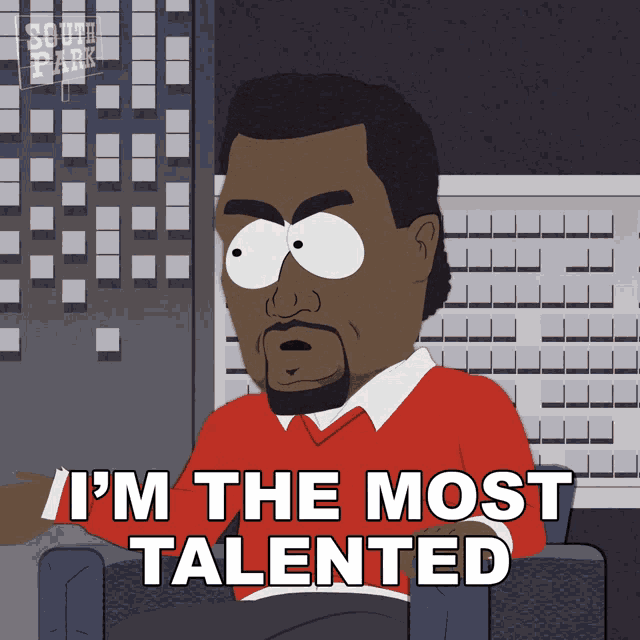
You don’t get brownie points for suffering, and you don’t get brownie points for weaponizing language. Not to sound like a very uncool school teacher, but it’s not big or clever. It just makes you look like this dude.
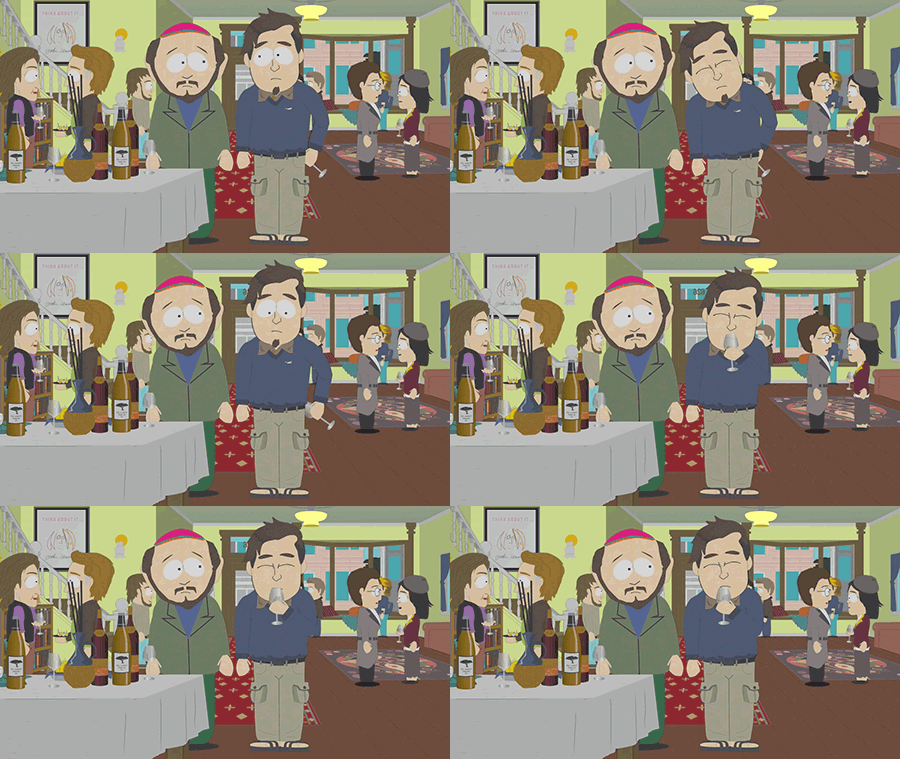

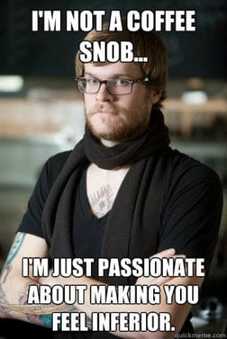
It’s like that one guy who works in a vinyl music shop, who hates anything popular regardless of whether or not it’s actually good. He’s the kind of guy who hates on K-pop Demon Hunters just because everyone else loves it. Or the “I’m not like other girls” girl who pretends to enjoy what she thinks is ‘high intellect hobbies’ for male validation because she has no sense of self, and would absolutely steal your man if she could. There is no greater anime villain. Besides Griffith, maybe.
So how do I avoid it?

Step 1: as with many things in life, the first step is to admit there’s a problem. Most newer writers who are very excited about their precious baby, do not want to hear bad things about it. Any form of criticism can feel like a personal attack, often because a certain amount of vulnerability comes with any creative output. I get it. I’m very sensitive about sharing my drawings, or my poetry in fear that someone will call it shit. But that’s the thing. I’m not trying to sell my poems or drawings to an audience. Those are mine. They are art, and can’t be judged unless I make them a product or offer them to the world.

Your novel that you want to sell to people, is a product. Like it or not. And you can absolutely say “well if they don’t like it they don’t have to buy it” and that’s fine… but you need to also be prepared emotionally when people don’t recognise you as the next Shakespeare and write reviews that reflect their customer experience.
Step 2: touch grass. I mean it. Go outside, sit in a park somewhere, or a bus, or a café, and just listen to people talking. Actually listen to how they talk. How people use slang depending where they are. How people out in the wild don’t adhere to hierarchy in the same way they would in a commercial or professional setting. How they talk to their children versus another adult. Does the server use a customer service voice then switch it up when talking to their co-worker? How do lovers talk to each other?

Most people have a limited vocabulary, especially in every day settings. I’m not going to say mastication when I mean eating. Think about how you talk to people on a daily basis. You need to converse. Or at least, consume enough examples of conversation to understand how it works. Most people can do this naturally (I say most – neurodivergent people may need to practice more than someone who is neurotypical).

Just as you wouldn’t want to be using gen Z slang in a historical drama (unless you’re deliberately subverting the genre, then by all means, go off, queen), you don’t want the Queen’s English featuring heavily in a modern, ordinary people setting.

While I’m at it – generations also speak differently and I see this happening with a lot of Gen X or Boomer writers who keep using their slang/speech for characters much younger than them. Heck, I even see it with Millennial writers.

Step 3: Really consider the type of media you are ingesting on a regular basis and understand the tropes/beats/prose that comes with it. If you want to write a gothic thriller, but you only read cosy romance, you’re going to have to consider what tropes are expected and acceptable in each genre, especially when it comes to prose. That’s not to say you can’t mix it up, but you have to understand the rules first in order to break them effectively.

What makes the Godfather so beloved? Why is Heat such a great freaking movie? Why is Bridesmaids so funny that one might pee a little every time they watch it? Why do we all love Chit??? Because of the way language is used to convey character and tone. If you want to write realistic, nuanced human beings who think and feel and get into hilarious shenanigans, you need it to reflect in the character’s voice and in the language you use.

A main character who speaks in nothing but riddles isn’t (typically) going to hook your readers.
Obviously I sent my feedback to the author and in the politest way I could suggested they consider a little more re-writing and editing before publishing, but I doubt they will. I always want to say to these authors to work on their craft first, then start looking at book publishing, but I can’t tell people how to live their lives. I can’t police someone’s creative journey (and rightfully so). I can only give my humble opinion on what I think is ‘good’ and even that’s going to look different to someone else. Who do I think I am, a literary agent???

Hopefully one day this author will naturally learn to move away from the stiff, overly formal writing that screams of a thesaurus being tortured for state secrets. Maybe one day I’ll stop being so judgy. One day.
TLDR: if you’re a new writer, try not to get bogged down in using big, fancy words and steer more towards natural dialogue. Study people in their natural settings and try using this as a reference for natural conversation and use of language. Consider what genres of media you consume and try to apply it to what you write.

What are your thoughts on this? Is it a worsening problem or am I just in a bubble? Am I the boomer in this situation, shaking my stick at the kids like an old man, accusing them of ruining writing with their tiktoks and their dark romance? Or is this just another rite of passage for new writers, that we all have to get through this phase before we learn better? Let me know!
Writing 101: Sweet Revenge

There’s just something so satisfying about a good revenge story…

We’ve all been there. Someone wronged you, and all you’re left with is the empty, soul sucking feeling of injustice, and a pain somewhere deep inside your epigastrium that just doesn’t seem to go away no matter how much whiskey you consume. It’s a feeling many of us are familiar with. Heck, I’ve seen my fair share of betrayal over my short time on this planet. I’ve gained enemies in the spaces left by people I thought were friends. Some asshole even stole my writing once. I know, right? The gallows aren’t good enough for them.

Anyway.

Somewhere in the pain, somewhere deep in the shadows of our psyche, is a burning desire for revenge. The fantasy plays itself out in our darkest moments. Maybe you get to give them a right telling off in front of everyone you know, or openly shame them on social media with tons of evidence backing up your claim, and they can’t argue with any of it so they delete their profiles, and literally run away from you at a convention when you confront them in person about it. Maybe they even lose their publishing deal over it… One can dream.

Maybe the crime is something more heinous than art thievery. Maybe they did something much worse. Maybe they really, actually hurt you, physically and mentally. Maybe they hurt someone you care about. And despite what my therapist tells me about it “saying more about them than it does about me”, and that sometimes people are assholes, and we need to let it go and not let the fact that they stole our writing then posted it back into the writers group as their own, poison us, hatred is like holding a hot coal, etc etc etc… frankly my dear, I don’t give a damn. This hot coal is one that was forced onto me, and I won’t feel satisfaction until I crush it.

And yes, getting justice can be great n’ all, but sometimes, justice just isn’t enough. It’s not enough to mourn your dead dog and move on. It’s not enough to see your wife’s murderer go to prison. It’s not enough to avenge your ruined wedding day and the taking of your unborn child. It’s not enough to tell your close circle of friends about the art thief and have them console you. No. Sometimes, you need to see the asshole who wronged you get exactly what they deserve.

What’s that? We should forgive them?

Bah. Forgiveness? Forgiveness is for God, and we’re not him.

What is best in life?

Simply forgiving and moving on doesn’t exactly make for an exciting story.

We love revenge stories (well, I do. I don’t know about you, personally). Just check out this top 10 list of revenge novels from the Guardian. And movies (arguably my favourite form of media) about revenge give us all a taste of that sweet, sweet catharsis we desperately need, without actually resorting to violence. An eye for an eye leaves the world blind, and all that. Revenge fantasies help us cope with the wrongdoing, especially when for many of us, there is no satisfying outcome, no justice.

Just ask anyone who’s suffered at the hands of a violent partner, or is the victim of sexual assault. Too often the authorities are either indifferent, incompetent, or powerless to help due to lack of evidence. What then? In the real world, we have to learn to live with it. Some of us go to therapy. Some of us meditate, or practice radical forgiveness. Some of us drink or take recreational drugs, or descend into the depths of depression. For some, revenge is living well and overcoming their encounter (arguably healthier than some of the other options).

But, when we get to see a protagonist take vengeance in media, there is something deeply satisfying about it. Like I said earlier, there is a side of us that yearns for retribution.

What makes a sweet revenge plot?

So what makes a revenge plot so satisfying? There’s some common elements that, in my humble opinion, work very well. And I’m not talking about poignant, bitter-sweet revenge stories, where ‘an eye for an eye’ is the outcome. This is catharsis, not critical thinking damnit. I’m not saying poignant, thoughtful revenge stories aren’t good by the way; they are. But, sweet-sweet revenge isn’t a gourmet meal from a Michelin star restaurant. It’s twice-fried chicken from your nan’s house after eating nothing but salad for 2 weeks.

1) The protagonist suffers enough that their revenge, in whatever measure, can be fully supported by the audience.
2) The protagonist has been clearly wronged – the victim of infidelity, robbery or worse, someone kicked their cat etc etc… And, if the protagonist is avenging someone, the victim in this scenario is an innocent (such as a child, puppy etc).
3) There’s a moment where the audience thinks the protagonist might not succeed – tension adds drama and invokes powerful emotions.
4) There’s a ‘gotcha’ moment – gotcha moments could be as simple as the nerdy girl having a full ‘glow up’ and really sticking it to her high school bullies. Or, it could be the moment the villain whips off their mask and boasts about kicking the protagonists cat/puppy/baby.
5) The villain is a shit-eating douche. Like, we HATE what they did to the protagonist (and/or their loved ones), and we can’t wait to see them get exactly what’s coming to them.
6) The protagonist goes through hell to reach their destination/goal.
7) The ending is satisfying and the justice poetic. Like, jump out of my seat and fist-bump the air level of satisfying.

Let’s have a look at some sweet, sweet revenge moments, shall we?

Disclaimer: I’m not saying these are the best moments of revenge of all time, they’re some that I particularly enjoy. Also, if it wasn’t obvious already: spoiler alert.

1) The Princess Bride: “Hi! My name is…”

The moment Inigo Montoya finally gets to slay the man who murdered his father, thus avenging him. The battle is tense, with Inigo repeating the phrase “My name is Inigo Montoya. You killed my father. Prepare to die.” Just before striking the killing blow, he utters “I want my father back you son of a bitch.” It is iconic, and every bit as satisfying as finding a £20 note in your coat pocket. But, with his revenge also comes freedom. He’s dedicated his life to avenging his father, and now he is finally free to be his own man, to pursue his own interests.

2) Kill Bill 1: Silly rabbit, tricks are for kids

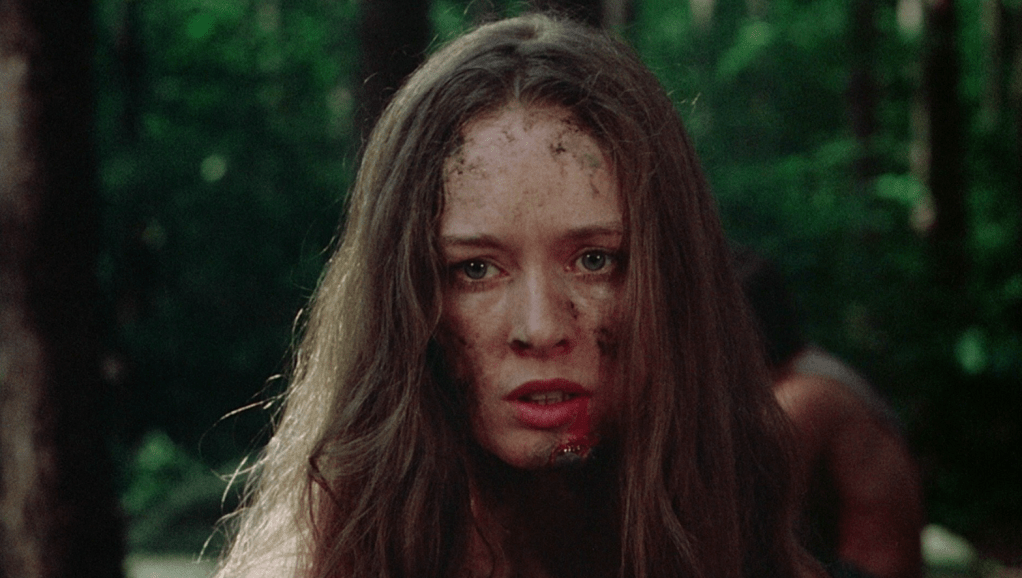
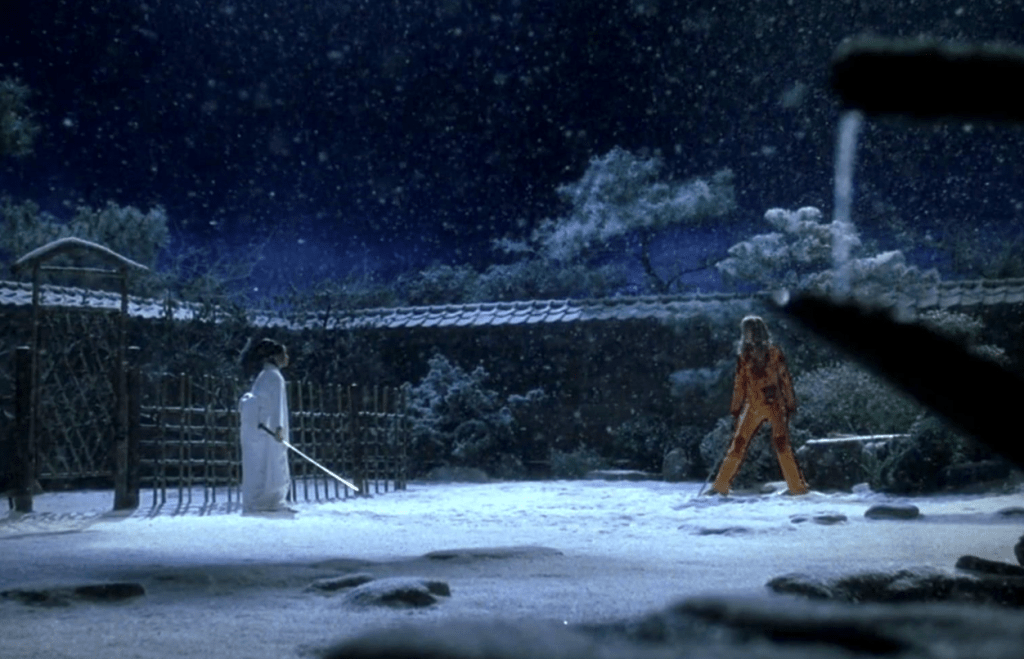
There are many satisfying moments in the Kill Bill movies, with the first films entire run through dedicated to Kiddo’s intense fight with Yakuza boss O’ren Ishii’s army, the ‘Crazy 88s’ in what I can only describe as a fierce love letter to old school Japanese martial arts movies. The film ends in a visually stunning fight scene, with protagonist Beatrix Kiddo finally taking down Ishii. The scene is so tense that even though Kiddo’s the main character, there’s a part of you that thinks “hang on, she might not make it!”

3) Kill Bill Volume 2: “Bitch, you don’t have a future.”

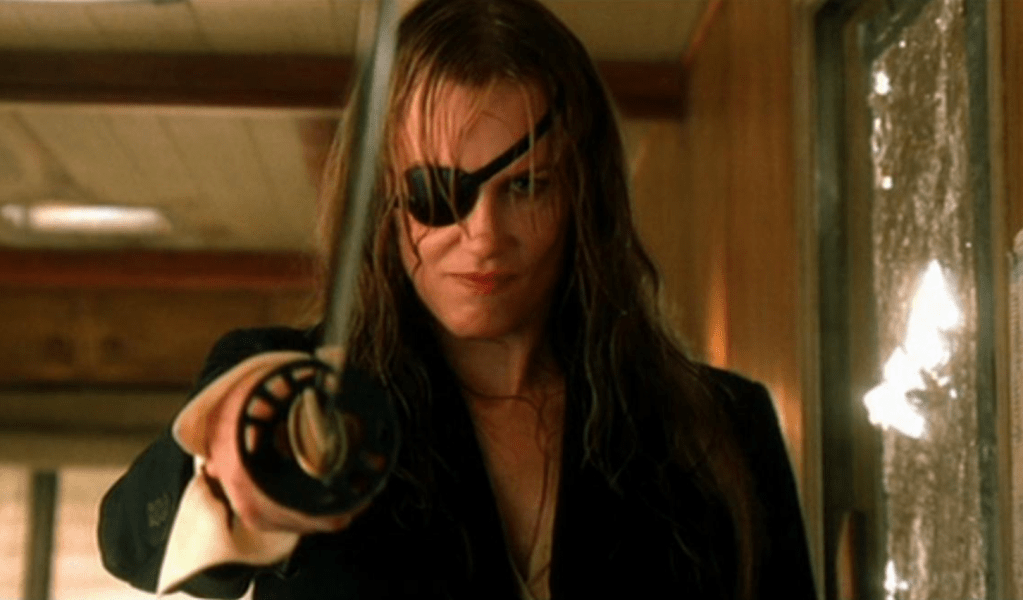
Since it’s one of my favourite movies of all time and the entire story is literally about a woman’s revenge, there are obviously many great moments in the plot. The most satisfying for me isn’t the moment Kiddo finally kills Bill. It’s when Kiddo utters the iconic line “bitch, you don’t have a future”, before plucking out the eyeball of rival assassin, and killer of her mentor Pai Mai, Elle Driver.

4) “That f*cking nobody is John Wick.”

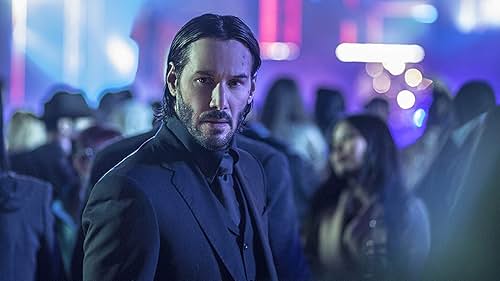
There’s just something so righteous about taking down the scumbag who stole your car and killed your dog, especially when said scumbag is a feckless, spoiled man-child who thinks daddy will protect him from everything. The entire nightclub scene is extremely good watching for any action movie aficionado, but there’s something so unsettling and satisfying about seeing a man gut punch his own son and tell him that the boogey-man is real, and “you will do nothing, because you can do nothing.” John Wick hasn’t even begun his revenge yet, and they’re already terrified.

5) Jackie Brown: The ol’ switcheroo

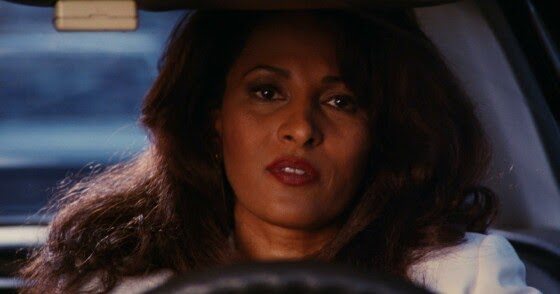
Another one of my all time favourite movies, with another case of getting sweet, sweet revenge. Jackie (portrayed by the incredible Pam Grier) is disrespected, sexualised, and mistreated by almost every man she encounters in this film. And even in the direction, she isn’t portrayed as a badass. She’s just an ordinary flight attendant who smuggles drug money. And she’s scared. She’s scared of getting older, of having nothing to show for her years of hard work. She’s tearful, hesitant, and she’s made mistakes. She’s utterly human in every scene. And she outsmarts everyone. With a slick music score and a masterclass in dramatic irony with multiple POVs showing the bag switch, the audience knows exactly what’s going on, and you’re cheering for her as she drives away, free as a bird.

6) Logan: little nightmares

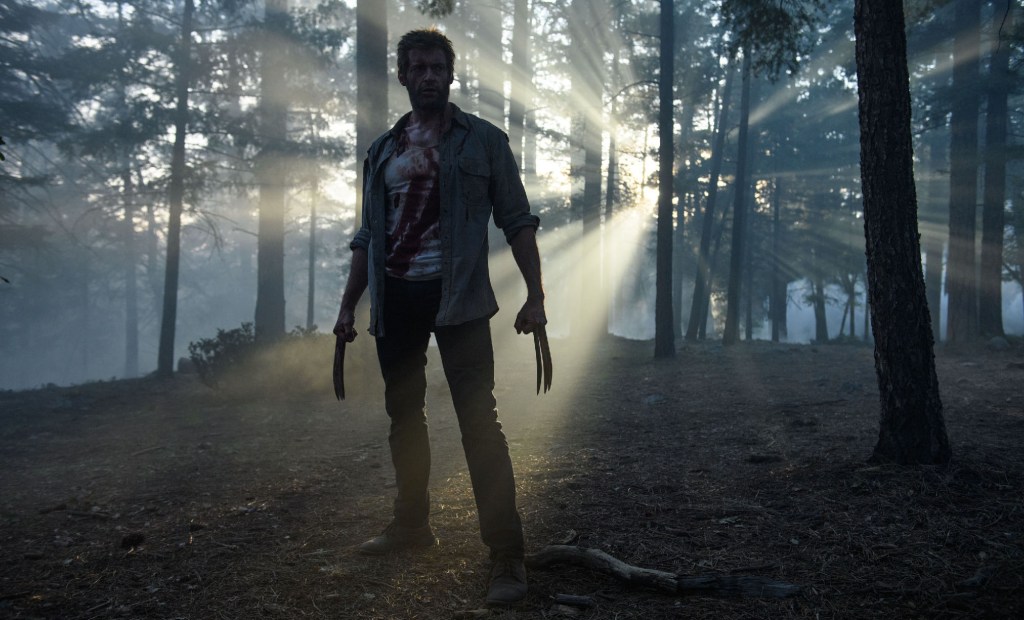
Raising kids can be a nightmare, especially when they’re kids with mutant superpowers… and they’re hellbent on escaping your secret government lab. The most satisfying moment in Logan is watching the children fight back against their captors in glorious, visceral detail.

7) Leon the professional: A gift from Matilda

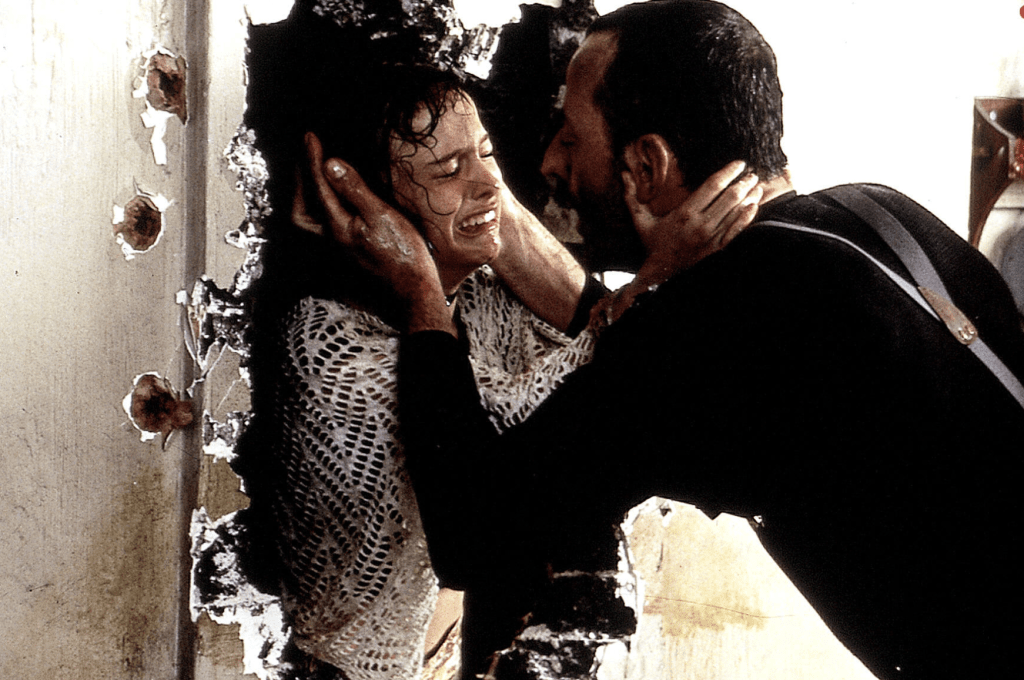
Another one of my all time favourites. As Leon (played by Jean Reno) lays dying after a gruelling battle to save 12 year old orphan Matilda from a full on assault from corrupt cops, he hands villainous detective Stansfield (played by Gary Oldman) something, whispering, “this is from Matilda”. By the time Stansfield has figured out that it’s a grenade pin, he’s blown to smithereens, and the audience knows that Matilda is finally safe.

8) Full Metal Alchemist: A roast to Envy

Roy Mustang, manliest of all men btw, is having the stomach rumblies that only homunculus hands can satisfy – and if you get that reference, congratulations, you’re old! And wouldn’t you know it, Envy just happens to be there, and just happens to be the homunculus who killed Maes Hughes. What can only be described as a cremation ensues. And it is satisfying.

9) Tokyo Ghoul: All this for one lousy date?

Our sweet boy 17 year old Ken Kaneki just cannot catch a break in the brutal and depressing anime that is Tokyo Ghoul. The series starts with him just discovering that he’s a ghoul after a freak accident leads to his blood becoming mixed with his date Rize. What follows is an absolute pile on from hungry ghouls and human ghoul hunters alike. Just when you think Kaneki’s suffering is over, he’s kidnapped and brutally tortured by Ghoul Jason (and these scenes actually made me feel ill). Much in the way that Ned Flanders had to endure the friendship of Homer Simpson, eventually, Kaneki snaps. Leaving the sweet innocence of his youth behind, he embraces the “kill or be killed” mantra, and goes fully feral on his torturer.

10) Blue Eye Samurai: don’t run afoul of Mizu

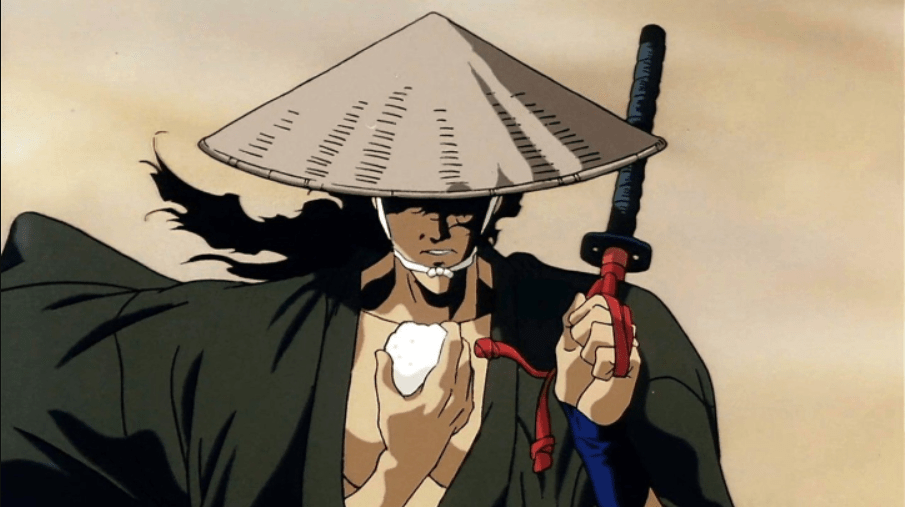
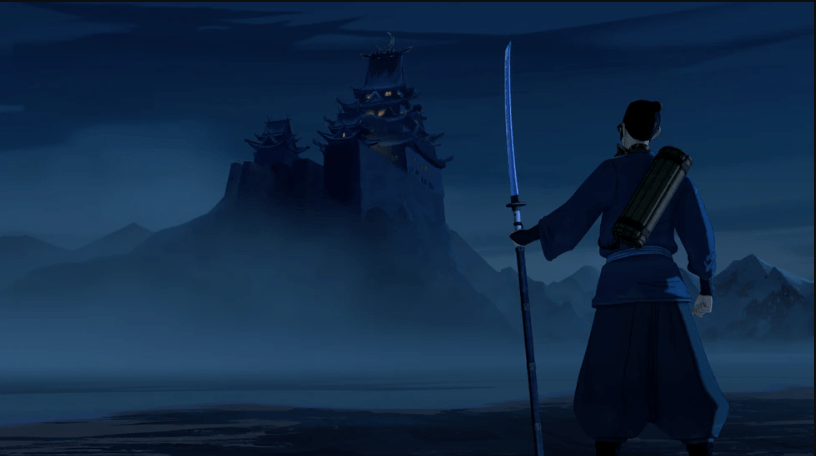
The entirety of Blue-eye samurai is a shout out to the great classic Ronin/samurai revenge movies – and I could have put them here just on the basis of them being the classics, but this is my list and I get to choose what’s on it. Anyway. Mizu, a blue-eyed, half-white orphaned woman, has literally cut her way through the toughest warriors Edo era Japan has to offer. And she’s about to get her revenge on 1 of the 4 men who might be her father: Irish born gun smuggler, Abijah Fowler. Fowler has a fearsome reputation himself, and hasn’t made it easy for her. Initially he stabs her, but like a true demon, she gets up, setting fire to the room. Fowler, for the first time, shows genuine fear as he turns to face her.

So what do you think makes a great revenge story? What’s your favourite revenge story of all time? Let me know!

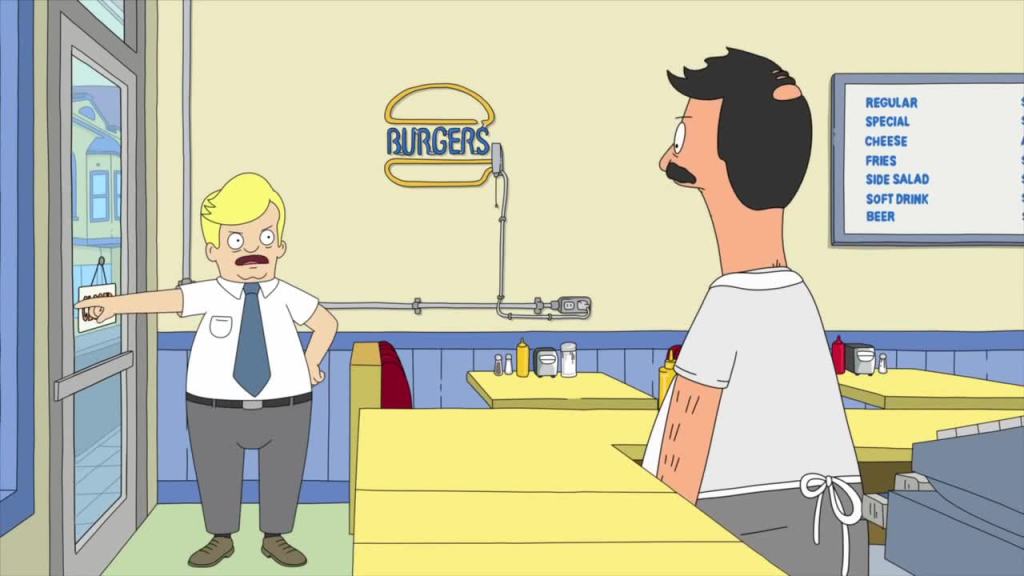
Character study: Hugo from Bob’s burgers

He’s a health inspector… with some serious beef

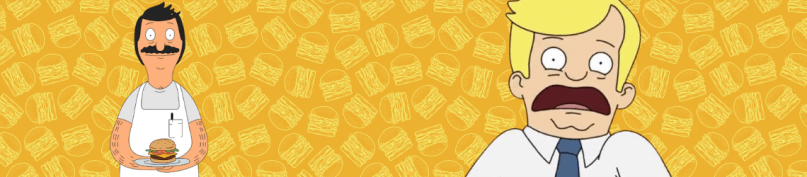
Hugo the health inspector might be the ultimate antagonist for any restaurant owner, but for Bob at Bob’s Burgers, he is lucifer himself.

One of my goals for this blog is to post stuff that helps other writers develop their craft in a way that doesn’t make them want to claw their own eyes out. And what better way than to study some of my favourite fictional characters?

Hugo Habecore is one of these characters. He is an antagonist from the animated series, Bob’s Burgers, and possibly one of the most subtly effective side characters I’ve seen in a TV show in a long time. I’m not sure what that says about the quality of the shows I watch, but there we go.

What is Bob’s Burgers?

“Laughter is sunshine, it chases winter from the human face.”

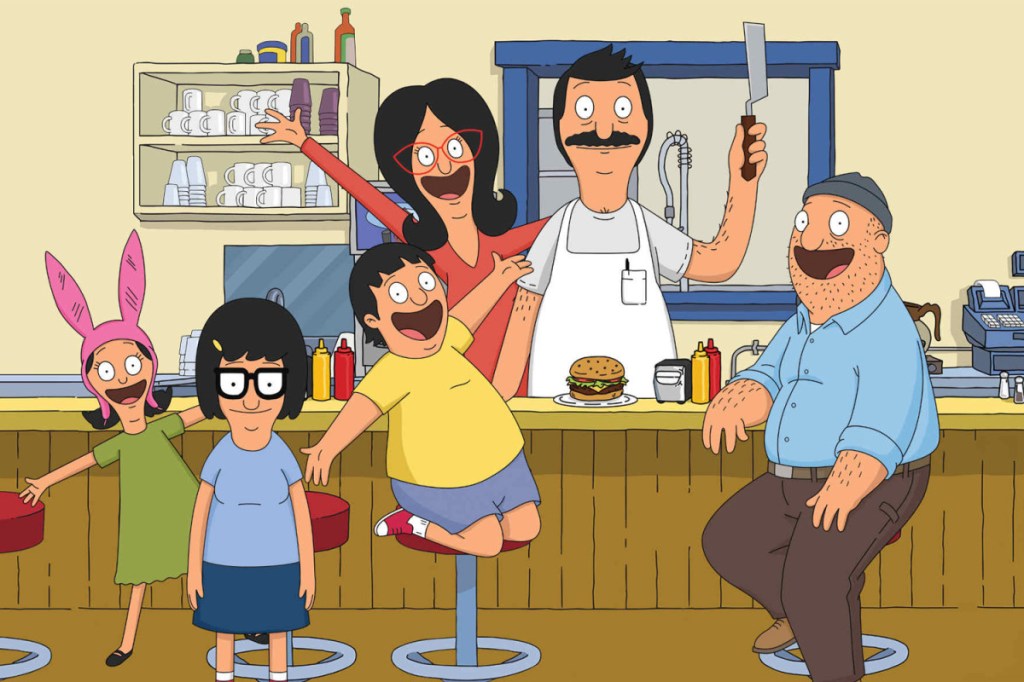
Bob’s Burgers is an animated TV series created by Loren Bouchard for the Fox Broadcasting company and premiered in January 2011. Apparently the first episode, “Human flesh” drew nearly 10 million viewers when it aired. Those are some nice looking numbers.

The show follows the Belcher family and its patriarch, Bob, as they navigate owning a small burger restaurant. It’s a family sit-com that focuses heavily on its characters and their hijinks. The show isn’t aimed at or marketed towards children, but it is more family friendly than some of its predecessors like Family Guy, and has been described as the spiritual successor to King of the Hill. And as shows go, I think it’s pretty damn good.

Who is Hugo?

“It’s a pity the law doesn’t allow me to be merciful, Bob!”

Hugo is a health inspector, first appearing in episode one. He quickly becomes a fan-favourite recurring antagonist, appearing when least expected or wanted, usually when Bob is in the middle of a crisis with the restaurant, or when he decides to take part in one of Teddy’s schemes (such as when Teddy convinces Bob to sell home-brewed beer). Hugo is an angry, bitter, rules jockey with little shame (and fewer scruples) when it comes to Bob Belcher.

If you ever wanted a comparison of the dynamic between Hugo and Bob, consider the characters Javert and Valjean from acclaimed book (and musical) Les Misérables by Victor Hugo. Hugo is Javert, the epitome of lawful evil, driven to petty acts of malice under the guise of public health.

“And I’m Javert! Do not forget my name. Do not forget me, Bob!”

Character Backstory:
Hugo was jilted by his former fiancé, Linda, who left him for Bob. Bob and Linda are now happily married with three children, something that fuels Hugo’s rage and obsession with the burger man.

Motivations:
Hugo has 2 motivations: Destroy Bob, and protect consumers from poor food hygiene.

Hugo sees Bob as a rival for Linda’s affections, the antithesis of food hygiene, and prey. He often toys with Bob, using his status as health inspector to torment him, even (temporarily) shutting the restaurant down whenever he gets the chance.

Hugo prides himself on being the best at whatever it is he’s doing, from his status as a health inspector to nude beach Grecian wrestling. So when he’s into something, he commits. This often leads to internal conflict between his need to do things by the book, and his desire to destroy Bob.

“And so it must be, for so it is written on the doorway to Paradise, that those who falter and those who fall must pay the price, Bob!”

Who is an antagonist without his wingman?

Hugo is tempered by his assistant, Ron, a tall, blonde moustachioed bombshell with a mild mannered voice and even milder disposition. For as perpetually angry as Hugo is, Ron is calm – the Yin to Hugo’s Yang, if you will. Ron has many notable moments of his own in the show, but primarily his character exists to keep Hugo from the brink of true villainy, pulling him back every time he risks slipping from lawful pettiness into evil. Ron also adds a level of humanity to Hugo in the eyes of others, reminding them and the audience that whilst Hugo is antagonistic, he is still human.

“There are men who dig for gold; he dug for compassion. Poverty was his goldmine; and the universality of suffering a reason for the universality of charity.”

Notable character moments:

  1. In the Lobster fest episode, after Bob freaks out and falls into the butter pot, thus contaminating it, Hugo (after some convincing by Ron, admittedly) comes to the rescue, deeming the butter safe to eat and saving the festival.
  2. In the episode “Speakeasy rider”, Hugo’s instincts are on the money as he tries to catch Bob selling home-brewed beer in the restaurant. The only reason Hugo doesn’t win here is because his supervisor won’t let him continue his harassment of Bob. Bob gets away with it (at some cost, because in order to keep up the farce, he turns to baking bread and pretending to serve breakfast) and Hugo is forced to abandon his mission.
  3. In episode “weekend at Mort’s”, Hugo torments Bob, closing the restaurant down after discovering black mould on one of the walls. At the end of the episode, Bob notices Jimmy Pesto has the same mould on his wall, and Hugo casually says that you can just put bleach on it. It’s equally hilarious as it is infuriating – and possibly relatable for anyone who’s ever had to work in the food industry.
  4. In “are you there, Bob, it’s me, birthday”, Hugo distracts Bob for Linda as a favour so that she can plan a surprise birthday party for him. Hugo does so despite hating Bob, and even proves to Bob by the end of the episode that not only is he effective in his job as a health inspector, but that he is actually providing a necessary service to consumers.
  5. In the episode “Nude Beach”, Hugo saves the restaurant from the corrupt behaviour of rogue health inspector Tommy, who threatened Bob with rat droppings after Bob asked him not to play his NSFW music in the restaurant. After defeating Bob in the ‘nudecathlon’, Hugo states that he wants to be the one to bring Bob down, the right way.

“There are people who observe the rules of honour as we do the stars, from a very long way off, Bob!”

Why is Hugo a great character?

Hugo is the antithesis of Bob, as a burger joint is to a health inspector. Simple, right? Bob runs a burger joint and Hugo is the health inspector. Case closed. You don’t need to keep reading.

But wait!

Much like the fresh or caramelised onion that accompanies any good burger, there are layers to this simple premise. Hugo might be Bob’s number one enemy, and downright infuriating at times, but he is a very entertaining and effective character, well written (and voiced) and perfectly encapsulates ‘little man syndrome’. Hugo is such an effective character because he could very easily be real. He’s not just a caricature of health inspectors and villains, he’s a fully realised person that you actually imagine existing in real life. We’ve all met someone like Hugo. We’ve all encountered a petty little rules lawyer who works in some form of administration or bureaucracy. Someone who stands in the way of your dreams, brandishing red tape and piles of paperwork.

Not convinced yet? Ok, fine.

Hugo doesn’t want to rule the world, murder anyone or ravage anyone’s daughters (unless you count his pining for Linda), or destroy the food industry in its entirety. He’s just a health inspector with a particularly strong (and only slightly justified) disliking for one man. And, however petty and questionable his behaviour throughout the show may seem, he does actually have some redeeming qualities. Hugo doesn’t want Bob to lose the restaurant, or cause Linda any suffering, even going out of his way to help her at times. Hugo stops another health inspector from shutting the restaurant down because it wasn’t done correctly or fairly. Hugo even allows minor violations to go unpunished at times in favour of Bob. Hugo absolutely wants to destroy and humiliate Bob, this is true, but it must be on his terms. This is what makes him such an effective antagonist. He’s not there just to be farcical or infuriating – I mean, he can be infuriating, but not so much that the audience stops enjoying his antics.

Final thoughts

The reason I chose Hugo as a character study is primarily because I was recently binge-watching the show. The other reason is because Hugo represents a very real antagonist in most of our lives. He represents not only a smaller authority with the power to make life difficult, but also what happens when that authority has the potential for corruption in the face of petty grievance. Hugo tows the line of villainy, never quite crossing over. But you know he wants to.

Hugo doesn’t want to ruin Bob for the sake of it, he wants to defeat him in the game of health inspection and restaurant ownership, to demonstrate his superiority and dominance like the tiny little lion he is.

We all have a Hugo in our lives. Maybe we have a Hugo in our hearts.

I know I do.

Don’t ask me where I got this image

Save The Cat!

The literary device all the cool kids are talking about…

You know the scene, tale as old as time: There’s a cat in a tree, an old lady crying “Help!” and a heroic figure running to the rescue. Our hero climbs the tree (or flies up if he’s superman), plucks poor old puss from its branches, and returns the cat to its loving owner. Instantly, you think “wow, what a guy!”

What is ‘Save the cat’?

‘Save the cat’ is an old screenwriting device/technique, designed to quickly tell the audience who the hero of the story is. Its use has evolved over time, but its origins lie in early film and comic book media. For now let’s keep it simple: if you have a character on your hands that you want to be seen as heroic, have them rescue a cat (or puppy), or commit a small good deed that mildly inconveniences them. There’s many examples of this in film and comics (the example I’ve used here is Superman), and they all exist with one thing in mind: to get the audience to like the main character.

Why a cat?

Well. It’s something they don’t have to do. A hero could obviously commit a much greater, more dramatic act. Of course the hero has to save the world. They don’t have to rescue a cat from a tree. This small act of kindness shows the audience that the character is not just a hero, but a genuinely good person.

When I was studying literature at college, we didn’t look at many movies (the one we did study was American Psycho and to this day I’m not sure why), but I was aware of saving the cat as a trope. It was kind of a background knowledge, something you knew instinctively. How do we know who’s the hero? Well, they save the cat from a tree, of course. It’s what Superman did, and he’s the epitome of hero.

I’m going to quote a comment from the video I linked, because I think it perfectly encapsulates the idea of ‘save the cat’:

“A lot of people don’t really understand the saving the cat from the tree scene. It appears corny until you understand what the movie is trying to convey: Superman is virtually invincible. He could enslave humanity, he could kill anyone who doesn’t tow the line instantly, he could be King of the entire world, he could be psychopathic and do incredibly evil things and NOTHING could stop him… but he doesn’t. He’s got all those powers and he’s actually a really decent guy. He saves a little girl’s cat from a tree and is really kind to her and down-to-earth. It’s an important scene to establish his character.” – @Halfstar3

If you were to Google ‘save the cat’, you’ll find the term itself credited to Blake Snyder, American Screenwriter (known for blockbusters such as ‘Stop: or my mom will shoot!’ and ‘Blank Check’). In his book, Save the cat: The last book on screenwriting you’ll ever need, Snyder lays out the ‘winning formula’ for screenwriting (by the way, there’s 2 follow up books to this one, so is it really the last book on screenwriting I’ll ever need, eh, Blake?). The literal hero trope of saving the cat is much older than the 2005 book – not that I think Snyder has laid claim to the trope itself, more that he just coined the term as a storytelling device, thus giving it a tangible label. I’m not going to go into specifically the ‘save the cat’ beat sheet or structure here – there’s plenty of sources that outline it way better than I can.

Note: this isn’t entirely relevant, but I read in a blog post that Snyder’s framework is taken from the movie Aliens, which came out in 1986. Ripley sleeping in her pod as the camera pans down to the cat that she rescued is a great way to immediately convey her character, but I’m not sure why this is the example Snyder used (if he used it – I haven’t actually read the book and frankly, I don’t plan to, not for a blog post) when Superman did it in 1978, almost a decade earlier. (BTW I’m not ragging on the Alien franchise here, I am a HUGE Alien and Ripley fan so don’t come for me). I wonder if the Aliens version is an improved version of the iconic Superman deed.

Thing is, I think it doesn’t really matter all that much who used it first or coined the term first or where it came from unless you want to argue about it on the internet. What matters is understanding the point of it as a device (to convey the nature of the hero).

So how do I use it?

However you like! There’s a myriad of ways a writer can implement this for storytelling purposes, but for now I’m going to stick to 3 examples I think could work:

  1. Classic superhero
  2. Anti-hero or unlikely hero
  3. Reverse Uno (the ol’ switcheroo)

1) The Classic Superhero

Just like Superman, Spiderman, Ironman, Wonder woman, and all the other ‘mans, the superhero intro heavily features our main character saving someone or something. This is the classic of classic save the cat methods and it works for a reason. In film, there’s no quicker way to demonstrate the innate goodness of a character than by rescuing a small critter at the heros inconvenience. Superman is running late for a meeting as Clark Kent, but – oh no! The dearest, littlest old lady is crying for help! Her poor kitty is stuck in a tree and can’t get down. In an instant, Clark is transformed and soaring to the rescue. Just like that, we know he’s a true hero and a real nice fella.

2) The unlikely hero or ‘anti-hero’

They’re not a good guy, no. They’re in the middle of a bank heist, or they’re picking pockets, stealing bread or pulling pranks on wealthy businessmen. Maybe they work for the mob, or they’re a fantasy rogue, a questionable character, who, on the first glance, doesn’t appear to be heroic at all. They live for themselves, damn it, and unless you pay them you ain’t getting jack. Until… Right in the middle of their heist, they notice a car hurtling towards a puppy at a crossing. The driver? Unconscious. The puppy? Unaware of the oncoming danger until it’s too late. Our hero somersaults in at the last second, sweeping puppy up in an instant. In one fluid motion, they skid round, let go of the puppy, and sprint towards the now crashed car. There’s fluid leaking and smoke flowing out from beneath the bonnet… It’s gonna blow. The hero rips open the passenger door and drags out the injured driver, pulling him away from danger right before the car bursts into flame. A crowd gathers to celebrate the hero… but they are gone.

The audience now knows exactly what side our character is on, and it’s the side of good despite their misdemeanours. The audience can breathe a sigh of relief and trust that they are in safe storytelling hands.

3) Reverse Uno, bitch

Surprised? I knew you would be. Who could have known, that our sweet, kind hero of ages was actually the villain this whole time? Mwahahahaha!

This is a twist of ‘save the cat’ in that it lulls your audience into a false sense of security. We thought this character was heroic because they saved the puppy/kitten/child at the start of the story, but actually, it was all a farce, a cheap trick to get you to think they were a goody-two-shoes! Really, they sooner kick a cat than save it, and now they’re going to wreak havoc for our real hero/es.

These are just 3 ways a device like ‘save the cat’ could be used in storytelling – how you use it is completely up to you. That’s if you want to use it at all. There’s plenty of stories and plots that don’t require the main character to save anyone. For example, Lara Croft blasts her way through saving the world, wiping out several endangered species as she goes (technically that wolf attacked first, and really, when you think about it, it’s a kindness. They were all just existing there, trapped in an isolated temple, slowly breeding their way to genetic devastation). Anyway.

The beauty of ‘save the cat’ is that your main character could be introduced as not that likeable, but learn and grow into someone who can be heroic (for example, Megamind). Why not experiment with the idea? See if you can push what audiences interpret as heroic and turn it on its head? Make the cat rescue the hero. Make the old lady the villain – villains love cats! Make the hero a dog who saves the cat. Make the cat someone who doesn’t want to be saved (for example, the Incredibles when Mr incredible saves the suicidal man).

I could go on forever here. There’s loads you can do with this. Now go forth and write!