
No, you don’t always have to ‘just write’.
It all sounds very preachy and privileged. Someone comes along with a bunch of advice that goes ‘instantly improve your writing!’ and I roll my eyes immediately. I’ll tell you now, there is no ‘one size fits all’ way to improve any craft, let alone a creative endeavour that’s so subjective and nebulous. What worked for me might be a nightmare scenario for someone else. That said, I think some of the things I’m about to list might come with a “well, duh!” reaction.
Let’s get into it, and if I miss anything, let me know in the comments. Also, ‘writey’ is definitely a word. If Shakespeare can make up words, so can I, damnit.

Expand your genre horizons
Sure, you love to read, and you read a lot of books. Most writers are also avid readers, that’s pretty much a given (even if many of us don’t get the time to read as much as we used to). That said, the quality and quantity of what you’re reading can vary greatly. If you want to write an epic fantasy, but all you read is steamy erotica, that’s not going to give you the right building blocks for the tropes and beats an audience would expect from fantasy. I know. I’m sorry.
progress begins outside of your comfort zone – and this one is a pretty hard pill to swallow, but I’ve said it before (and I’ll say it again): you need to the thing if you want to be the thing. You need to expand your horizons if you want to write more stuff. Want to write horror? You’re going to need to find out what makes good horror, and what better way than to read more horror?
It’s like learning the rules so you know which ones to break.

Watch more movies
Human beings simply love a good story. The media that humanity uses to tell stories has changed over the many centuries, but the essence of storytelling has remained the same. If you want to tell compelling stories that evoke emotion and bring people together, just like with reading, absorb more storytelling media. That includes movies. And, while movies are a very different media on the surface, there’s a lot we as writers can learn. A movie has far less time than a book to set a scene – but it also has immediate visual and sound advantage. A novelist has to create the images and sounds in the reader’s mind through words.
Next time you’re watching a movie, take note of the visual and sound storytelling that has been utilised. Pay attention to colour, background, images, music and clothing. How can you convey these in a book? Can you create a scene without visuals?
Socialise more
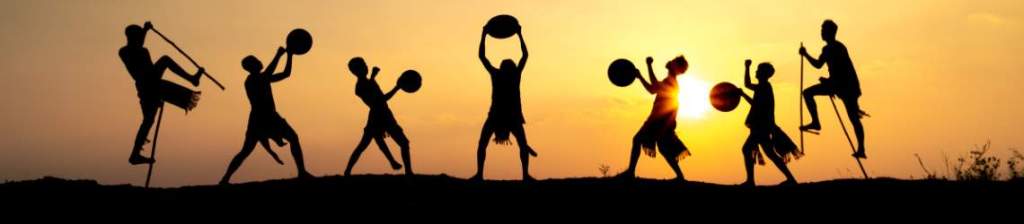
Human beings are a pack animal. A social species that experiences torment, illness, and even death, if we are separated from each other. We are tribal, and in numbers we achieve many great things. With that in mind: you cannot expect to be an exceptional writer in a vacuum. This sounds counter-intuitive, because it doesn’t fit the stereotypical image of the lone artist with the bottle of bourbon, typing away, lit cigarette bouncing on the corner of his mouth as he goes.
But that’s the thing. It’s not accurate, or healthy. If you want to learn how people behave, how people talk, how they act when they’re hurt, afraid, lonely, sad, happy, etc, you need to be around them. It’s essential for writing effective, realistic characters.
Study people going about with their day-to-day lives. Watch a couple on a date. Are they new, shy and awkward, afraid to say the wrong thing? Or, are they older, used to each other, familiar with each others habits? How do they talk? Is it short, sharp sentences pushed out through gritted teeth, or sing-song and sweet like a chirping bird?

Drink more water!
Well, duh. Drinking water is good for you, everyone knows that. It’s good for you, that’s true. However, staying hydrated is especially good for that grey matter inside your cranial cavity. Drinking plenty of water can help reduce your risk of stroke, migraines, tiredness, and a myriad of other things. If you want to improve your writing, make sure to drink your water!
While I’m at it, have a look at what you’re eating too. What we put into our bodies has a huge effect on what we can do and how we feel. Wherever possible, nourish your body. Get that brain food in yer.

Get outside
Get your butt outside and touch some grass – where possible. Some of us don’t have the luxury of countryside, and, for some of us, the outside is not a safe place. That said, for a significant number of us, there are outdoor spaces we can go. If you have a local woodland and are able, go for a walk in it. If you have a garden and the weather’s nice, go sit in it. Go enjoy the natural world. If we’re indoors for too long, without fresh air, we can get develop nasty things like respiratory illness. People who suffer with depression can experience an improvement in their condition with regular outdoor activities. Going outside certainly helps mine, so there might be something to it.
Basically, it’s not good for us to be sitting at a desk all day, every day. Go experience some of the beauty of the natural world. You might come back with some inspiration.
So that’s it – some non-writey ways to organically improve your writing. I hope you enjoyed this! Let me know what you think (even if it’s to tell me I’m talking nonsense). If you want to add ideas to the list, please do! Just head to the comments. Otherwise find me on Twitter and Tiktok (links in my contact page).
Also (shameless plug): you can find my debut novel EAT, available on ebook and paperback, right here.
 Jesse B Writes