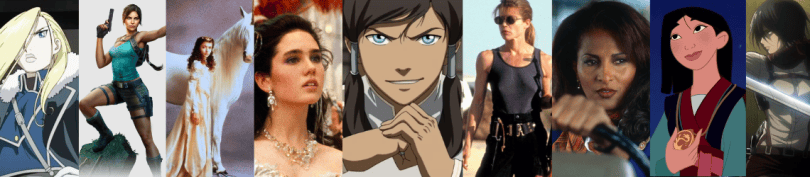
Writing 101: strong female characters

In the year of our lord 2026, we are still struggling to write strong female characters.

And no, I don’t mean the ‘do you even lift’ type of strong.

I feel like I need to put several disclaimers in place before I get into it: this is all MY OPINION. I’m not the storytelling police. And, I hate the word ‘females’ because of how it’s being used at the moment, but I’m just using here in the same way I would write ‘male’ characters or ‘non-binary’ characters. It’s not to dehumanise, just to make sweeping generalisations, I promise! Ok. Let’s begin.
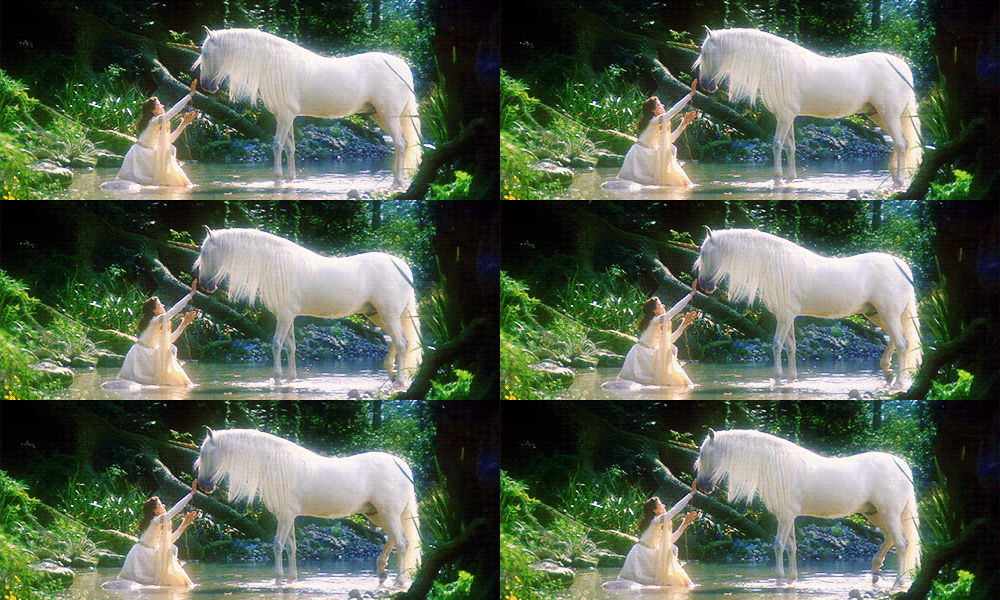
I’ve been on a movie binge after watching Disney’s Cruella and quite enjoying it. I ended watching Labyrinth, Legend, then Willow, the other day (because I am a full time student, and therefore a parasite on society right now) and it struck me that nearly all the women in these films had an agency that didn’t feel forced or marketed to me, even though they’re all pretty darn old (not Cruella, I mean the others). Granted, princess Lily isn’t a fighter in Legend, and I’m not sure it passes the Bechdel test, but Lily is a character of great inner strength and integrity. She makes a mistake in touching the unicorn, but goes out of her way to make it right, ultimately risking her life to save its mate. She could fit the damsel role, but she acts with agency, making her an active player in the story.
Just hook this shit to my veins…

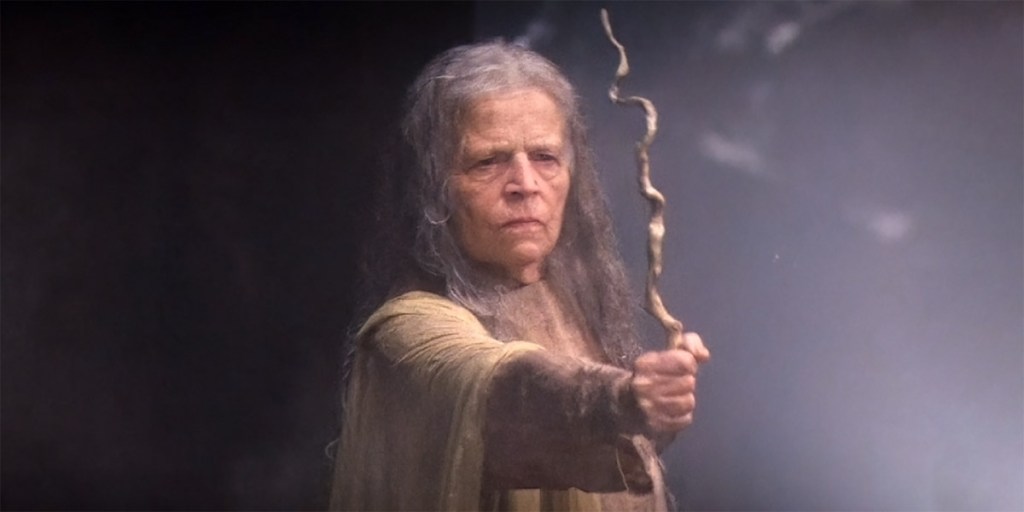
In Willow, the villain is a sorceress who wants to keep her power, whilst her daughter is a renowned warrior and commander (and she kicks Val Kilmer in the face; a true enemies to lovers moment). The midwife uses her status to sneak the baby out of the castle, ultimately sacrificing herself to protect it. Fin Raziel, the powerful sorceress, and effective strategist and leader, is an old woman. An actual old woman! No yassification either, just old, frail, and infinitely powerful. The women in these movies are kind, mean, strong, good, and evil, without needing to announce it. They just are.

Heck, even the baby princess in Willow seems to have agency. Whilst there is a distinct lack of racial diversity in these films (not taking into account the actors with dwarfism, whose village seemed more diverse than the rest of the cast), the representation of white women at least was there. Take the wins where you can, I guess.

Anyway, it made me think about what it means to write a strong female character.

What makes a strong female character?
So, I did some research. And, like all reasonable human beings who want well considered answers to a question and civilised discourse, I went to Reddit.
Actually, it didn’t disappoint. I know, right?

Most answers I found had similar points: well written women are fully fleshed out human beings with flaws, agency, and contribute significantly to the stories they exist within. Poorly written female characters are one-dimensional stereotypes obsessed with their looks/relationship status, or obnoxious ‘girl boss pick-mes’ who have to hammer the message in that they’re powerful, tough, and ‘not like the other girls’.
The elephant in the room – not that I’m calling Brie Larson an elephant.

As an aside, I’m not gonna talk much about Rei, Captain Marvel or She Hulk, and how they girl-bossed/Mary-sue’d too close to the sun or whatever. One side says that anyone hating on them is just a misogynistic incel. The other side claims they were genuinely bad, and that if a studio has to scream from the rooftops that the characters are strong, they probably aren’t. The third side, the metaphorical pigeons shitting on the chessboard, are the actual incels, who see a woman (and God forbid a woman of colour) playing a lead role and velociraptor scream into reddit about how feminists are ruining everything.

I will never forgive the Star Wars fandom for cancelling Acolyte.
Obviously I enjoyed it for the plot…

Besides being blessed by plenty of absolute bangers in the movie world (Alien, Terminator 1 & 2, Jackie Brown, Silence of the Lambs, Amelie, Zero Dark Thirty, Rogue One, Arrival, Mad Max Fury Road, Furiosa, Ready or Not, Chocolate (the martial arts movie), Everything everywhere all at once, almost anything ever made by Miyazaki…), I’ve noticed that I’m finding it harder to resonate with, relate to, or even like on a base human level, a lot of recent lead female characters. Maybe it stems from a need to pull women away from being palatable for the male gaze (think Miley Cyrus shedding the ‘Hannah Montana’ vibe). Maybe it’s because of late stage capitalism reducing everything to easily digestible ‘tropes’ to sell merch.

Maybe it’s a deliberate attempt to make us hate female-lead movies, because coked-up movie execs are spending more time on red-pill tiktok. Damnit, you dumb bitches, why are you not mindlessly absorbing the regurgitated dog shit we feed you? Gaaawd!!!

I am comparing things (possibly unfairly) to the golden age that I was raised in, the 90s. We had some pretty awesome movie, TV, and video game role models. Some real ‘girl bosses’, as the youth might say. We literally grew up with the term ‘girl power’. But, were 90s female characters strong? Were they actually strong, nuanced characters, or just some dudes muscle mommy fetish? Take Lara Croft for example. She is the pinnacle of ‘strong female character’, surely? But, is she well written? Nuanced? Does she need to be? Sure, Lara kicks arse, takes names, and represents true English culture: Stealing shit that rightfully belongs to ancient civilisations from other countries.

That said, she’s arguably only as iconic as she is because of her, ahem, assets. She exists because a game developer had a crush on Neneh Cherry, and the rest is history.
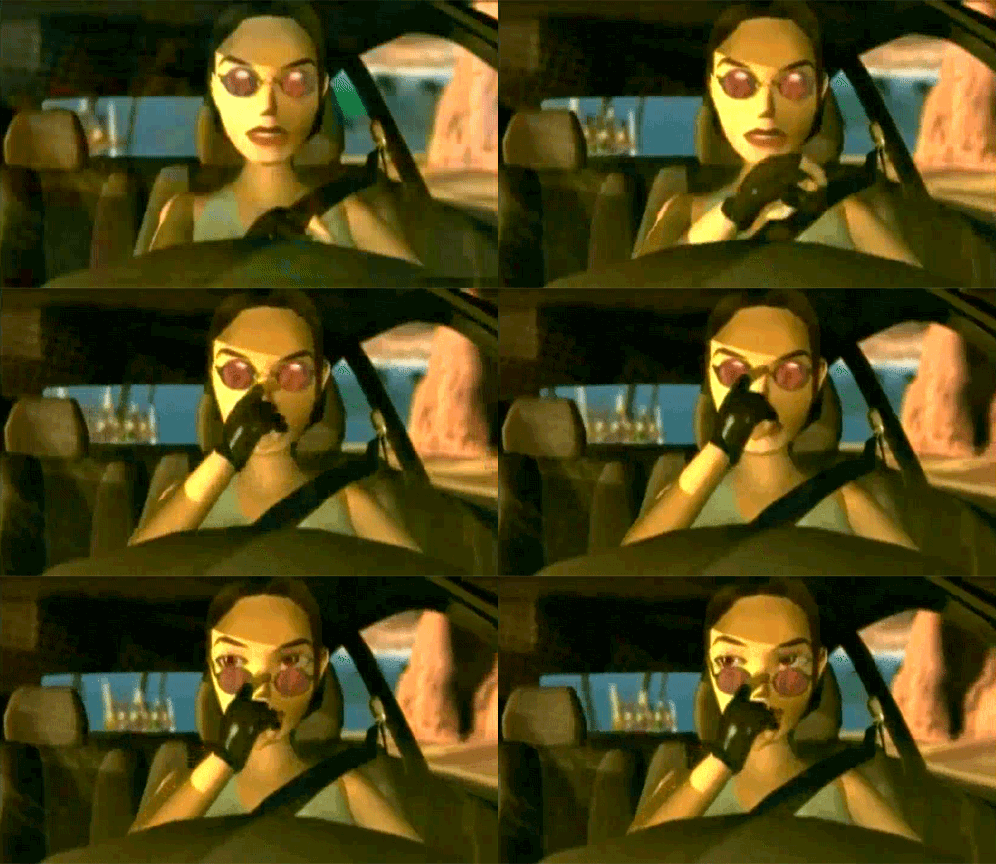
And I grew up watching my parents movies, so really, a lot of the icons I watched as a kid were from the 70s and 80s. I literally mentioned Legend and Willow at the start of the blog. My 90s icons were the Little Mermaid, Beauty and the Beast, the Spice Girls. Was it really a golden age, or am I just being nostalgic?

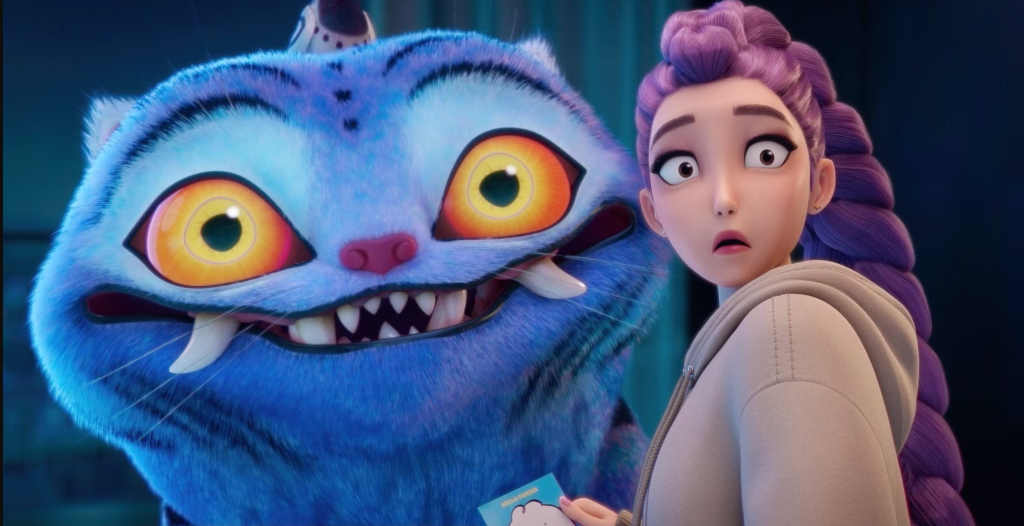
I’m not saying the bulk of the media of that era was as enlightened as many films and books are now. There were still many problems, many moments of needing a man to come to the rescue, female characters obsessed with romance, or reduced to support roles or accessories to the male MCs. However, I can’t help but feel like we’re going backwards. K-pop demon hunters has restored my faith a little bit, but the Honmun isn’t sealed just yet.
So, what’s the problem?

I think we all know exactly what the problem is.
Joking! I will fight for my girl Sakura

Poorly written women is the problem. And it’s not just the menfolk committing this sin. Heck, I don’t know if I’m even qualified to talk about this. Can I even write a strong female character? And what’s the solution here, just write every woman like a man, then just change the pronouns?

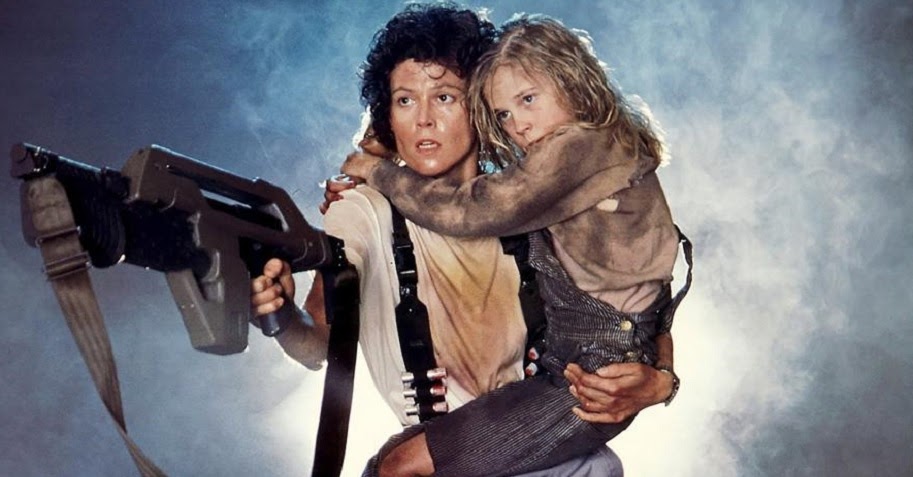
YES, I KNOW IT WORKED FOR RIPLEY.
The Hero’s Journey

There is more than one type of strength. Like I said in the intro, when I talk about strong female characters, I mean to say strength of character. Strength of writing. Female characters who contribute effectively to the narrative, who make the story more fulfilling without just being a love interest or making her strength a gimmick, or making her the author’s self-insert special special super chosen one with new added lightning powers. Characters who don’t just experience the plot, but drive it.
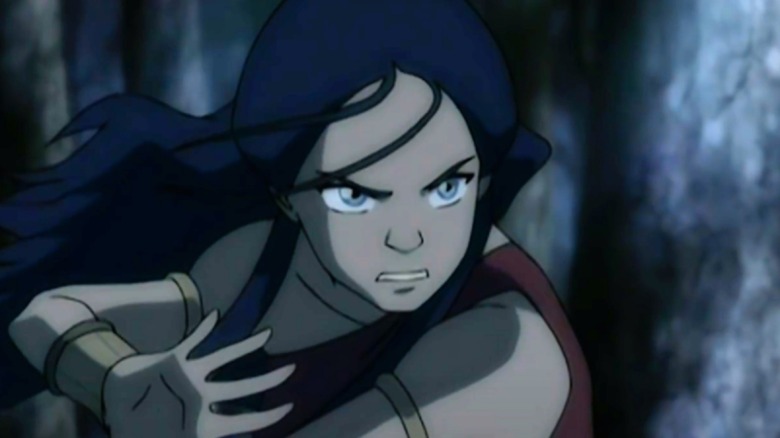
The greatest water bender in history. Fight me.

Too many writers are confusing the word ‘strong’ for ‘phenomenal cosmic power, perfect in every way’ Mary-sues who are completely unrelatable and unlikeable. The problem with a lot of the ‘girl boss’ characters we’re all tiring of, is that none of their strength feels earned. The writing is lazy, with one-dimensional tropes that seem to think strength equals “overly sarcastic comment and I can lift more weight than you.”

There is no ‘hero’s journey’ to speak of. No struggle, no character development, no nuance or mistakes or growth. Just ‘I’m a boss bitch and no one can question it!’

Some writers, in an attempt to make nuanced characters with flaws, lean far too heavily into it, becoming mean-spirited bullies, or allow the audience to experience what really should only be shared in a therapist’s office…
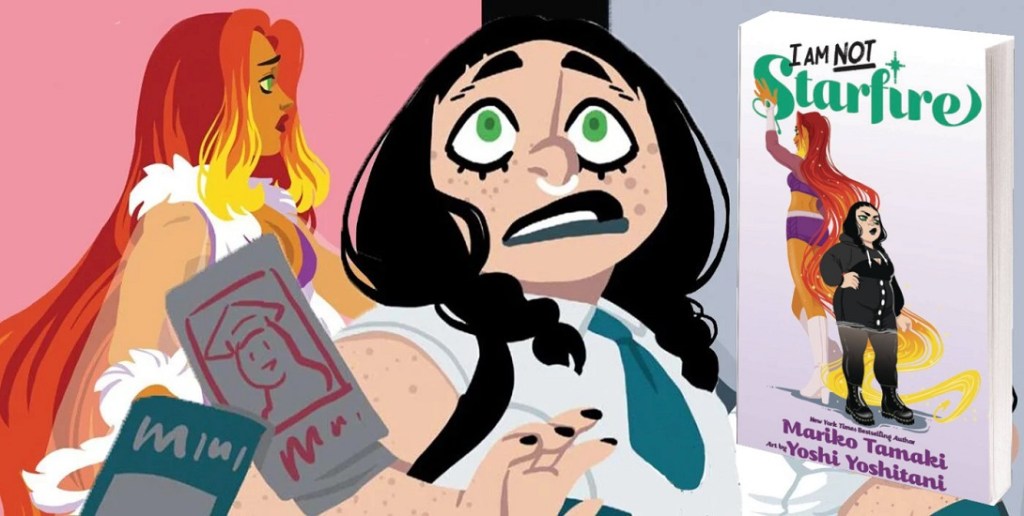
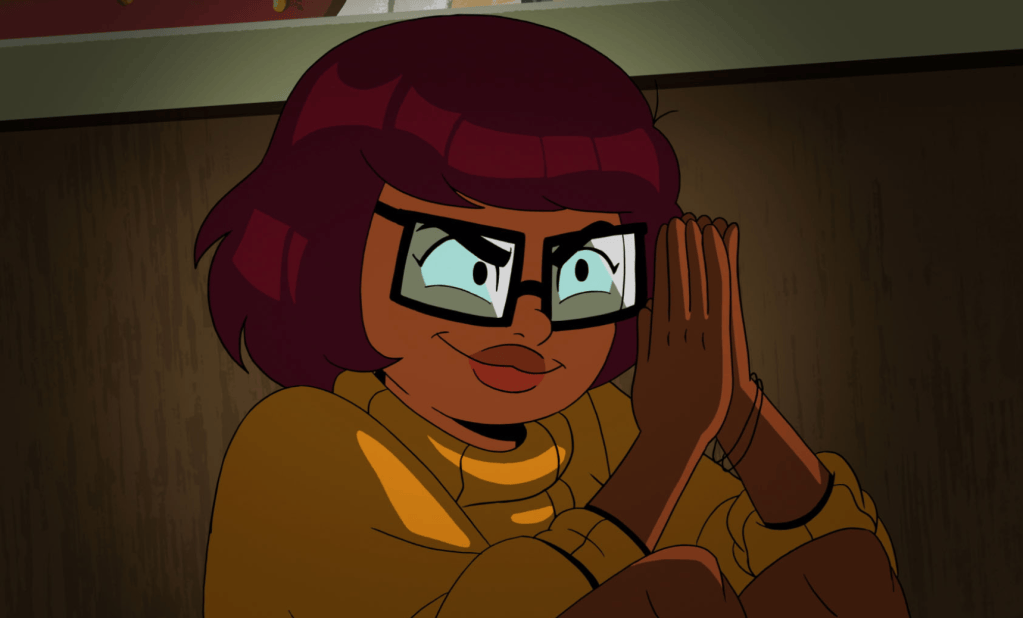
I really tried with this one.
Again, I really tried.

I’ve read novels, popular ones, with female MCs so unlikeable, dull, incompetent, and deliberately naïve – or straight up horrible – that I wanted to bash my head against a rock. Romantasy trends are particularly guilty for this. Yes. I said it. And I read all those fae romance books. I’ve read novels with female MCs who are supposed to be gifted tacticians, with advanced military knowledge, who are supposedly so smart and special (and did I mention lightning powers?), but, somehow, it’s just the writer telling me, begging me to believe it instead of actually having the character demonstrate it. It shows the writer doesn’t actually care about anything but their MC banging the tall, handsome man (who’s also an unlikeable douche, by the way).

Oh, and, while I’m at it, dark romance can catch strays too. Because what do you mean, you’re just letting this guy break into your apartment, that you don’t audibly gag when he calls you ‘little mouse’? What do you mean, he’s controlling, and surly, and growls and sheds on the carpet? That’s not your man, bestie, that’s a cat.

Surely all that is enough to give anyone the ick. Could you imagine Ellen Ripley tolerating this bullshit? Hell, could you imagine a Disney princess tolerating this bullshit? I think not.

I long for female protagonists who make sensible decisions, such as calling the police and changing the locks, or is at least an active participant in their apparent ‘romance’. If Christian Grey lived in a trailer park and worked at a gas station, it wouldn’t be romantic, it would be an episode of criminal minds. Sure, ok, I shouldn’t yuk anyone’s yum (I did say at the beginning of this post that I’m not the story telling police, after all). And, these authors must be doing something right, because, well, people seem to love it. And this is just one genre. Romance isn’t new. Problematic handsome men aren’t new. It’s just gotten more coverage with social media now.

Not all hope is lost. To balance things out, a lot of the books I’ve read over the years do have narratively strong female leads – Children of Blood and Bone is a great recent example of this. Amari is so gentle compared to Zélie, but when she finally has to, she fights. And she’s a capable fighter. Zelie isn’t a soft, easy going character, but she stands up for what’s right, and she can be kind when she needs to be.

Another example is Parable of the Sower by Octavia E Butler. Main character Lauren is nuanced, flawed, full of fear and self doubt, but she’s a survivor, leader, and teacher.
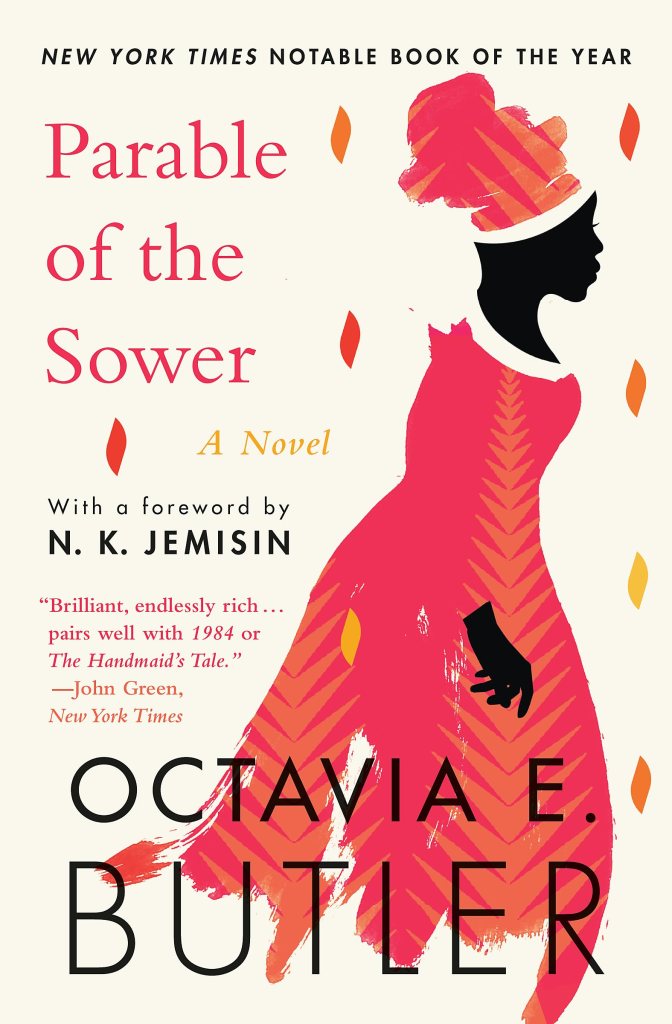
This is us in like, ten years by the way guys. Probably should do something about that.

So, not all is lost.

Let’s end this long, long rant, then. What advice can I give writers here? That’s assuming I can even write a strong female character. I can only tell you what I think makes for a good story telling experience, that feels authentic and nuanced.

So, here goes:

1) Give her agency. Is she making decisions? Mistakes? Actively participating? Is the plot happening to her, or is she driving it?

2) Fully flesh out her story. What are her fears, goals, ambitions? Does she have a life outside the situation? Does she have friends? If so, who?

3) Consider the Hero’s Journey. Is her power earned, or just assumed? And I don’t mean she has to really suffer to earn her place as the hero/villain (poor Korra), but what is the journey she goes through to become one? What does she learn as a result? Power that is earned feels more genuine than just vicariously living out your own power fantasy.

4) The strength of the hero is reflected in their antagonist. Give her something, or someone, to overcome that actually has meaning for her. It doesn’t have to be world ending, just relatable and relevant. It could literally be some jerk at her office – I’ve seen some great things with simple plot ideas and low stakes.

5) Remember what it means to be narratively ‘strong’. It’s more than physical. She can be strong in so many ways beyond being able to fight. Does she have integrity? Wit or cunning?

6) Avoid self-insert power fantasies at the cost of storytelling. A self-insert is fine, providing the exploration of the character goes beyond surface level. Try to keep in mind what you want to achieve in the writing. Is it catharsis? Is it for fun? Remember the ‘why’ of you’re writing.

So, what do you think makes a strong female character?

What we can learn from Audra Winter

A cautionary tale to writers about getting lost in the sauce, girlbossing too close to the sun, and what really matters to your readers.

TLDR: it’s the writing.

Earlier this year, new author Audra Winter made waves in the Booktok community with the release of her much anticipated debut YA novel, Age of Scorpius. But all that glitters is not gold, and the 22 year old author found herself facing backlash after the book reached readers’ hands, and reviews started coming in.

This is all everyone seems to be talking about right now – or maybe I just need to hard refresh my Tiktok and YouTube for you pages. Anyway. It’s all I’ve been seeing for the past month or so, and everyone seems to have thoughts about it. So I decided to add absolutely nothing of value to it by throwing my opinion in as well.

Let me be clear: I am not here to rag on this woman, nor accuse her of scamming, or call into question her past behaviours, or her neurodiversity. I am going to talk simply about the situation at hand, the cost of girlbossing too close to the sun, and why all the art in the world won’t compensate for poor writing. Also, this is all my opinion, this is all allegedly, please don’t sue me. Thank you.

Let’s dip our toes in then, shall we?

At first glance this idea looks pretty freaking amazing. Zodiac magic, a fantasy dystopian post-apocalyptic world? Beautiful artwork with a strong anti Ai stance? Lesbians???

Why, an idea this good could never fail!

Aw, fudge.

So, what happened?

So how does an idea this incredible, at a time when the market is primed and ready for it, miss the mark? (let me tell you: it’s the writing – there, now you don’t have to read the part where I ramble, unless you want to of course).

A very, very brief timeline from what I can piece together: In 2021, Audra was posting to Tiktok and introducing the world of Gardian (yes it’s spelled Gardian in the book, not guardian). This continued until around 2022, where things went quiet for a while after she signed with a literary agent and was preparing the book for sale to potential publishers. Audra re-emerged on Tiktok around 2024, re-introducing her book with a Kickstarter campaign.

Some time later Audra abandons the Kickstarter to focus on presales of the book via Tiktok shop, and it all takes off from there. Pre-orders flood in, and suddenly she’s sold around 6000 copies – unprecedented for an indie author. Audra flips the script here, pivoting from her previous pity marketing tactics to “I’m Audra Winter and overnight I became the owner of a 6 figure multimedia business”, with claims she has hired a team of 15 artists to further develop the world of Gardian, and that she had hired the editor of the Hunger Games to work on her book (allegedly, please don’t sue me).

People were very excited for this.

The problem

The book was not well received.

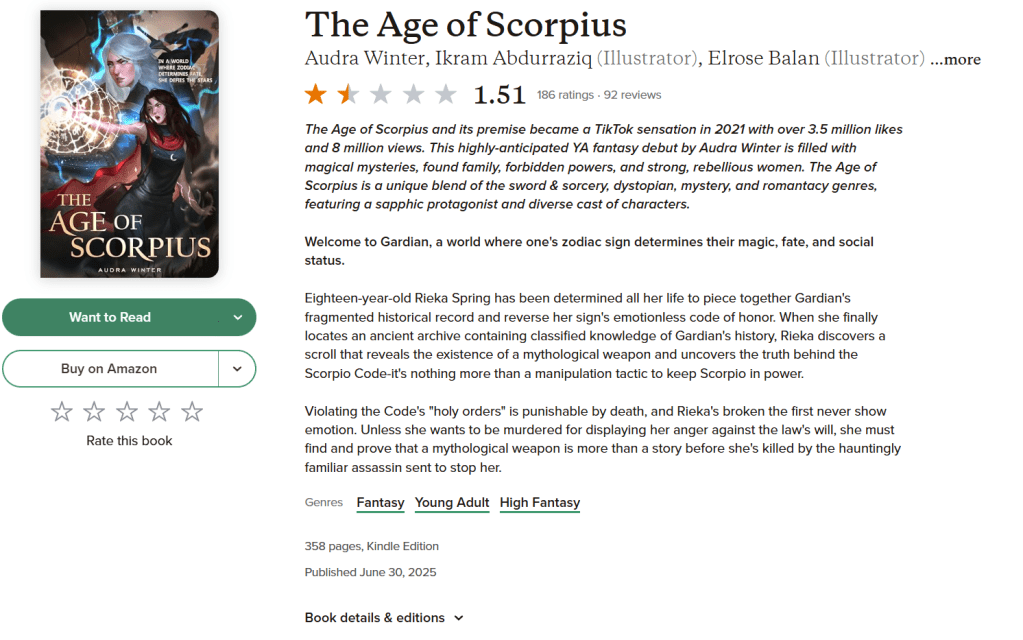
Reviews and reactions came flooding in, and soon the Goodreads page for The Age of Scorpius was swept up in a tide of 1 stars (as of checking yesterday, the rating is currently at 1.51). Readers began demanding refunds. Nightmare fuel for every author. I wouldn’t wish it on my worst enemy… Actually, I might. I’m a little petty. Is it petty to have a collage of 1 star reviews of your enemies books as your desktop wallpaper? You decide!

I had a look at the writing myself, and (in my opinion, don’t sue me), it does very much feel like it was written by a 12 year old (her age when she claims she started this world), and I can confirm that when I was 12 years old, I was writing fanfiction at a similar level to this. If you want to see it for yourself (the book, not my fanfiction), a sample can be found here.

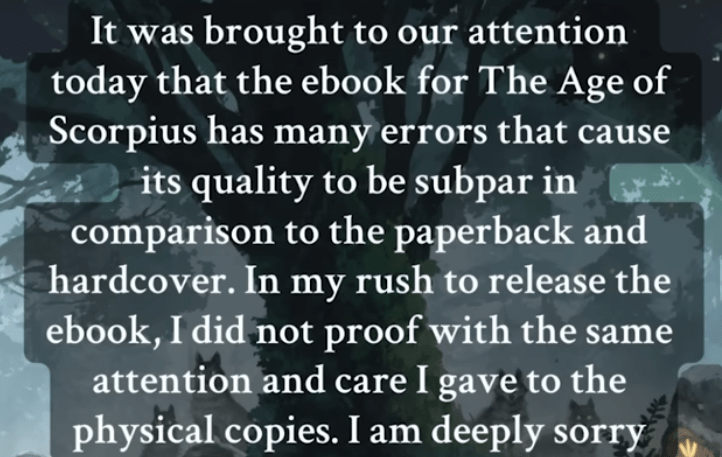
Audra responds (with what I can only imagine is the royal ‘we’, because as the author, surely it’s only her that is responsible for the book, and not the artists or editors she hired), saying that the e-book version had missed a proofread and would be fixed. Fair enough.

But, it doesn’t end there. There’s issues with the paperback too – grammatical flaws, confusing descriptions and a fair few plot holes. Audra steers the conversation away from quality issues to the impact on her mental health, and says she will be taking a break from social media. I’m not here to comment on this side of things, I want to stay with the writing – I’m adding this for context as to why people became so frustrated.

Now, forgive me here because the timeline gets a little skewed as I try to get my head around it all.

After all the feedback, critiques, and varying levels of criticism, Audra released videos saying that the book will be re-released with a new editor and new artwork from her team of 15+ artists. This has not been well received, with many stating that the artwork isn’t the problem, that it was never the artwork, and the writing needs to be significantly improved before anything else is even considered.

Throughout this, Audra does not seem to apologise or take criticism well, at times claiming that her main character is neurodivergent, therefore the prose and dialogue would be different to regular writing, or blaming the poor prose on previous editors (allegedly, don’t sue me). Many, including other neurodivergent writers, took this as a poor excuse for the subpar writing. People became increasingly frustrated with Audra’s responses, and criticisms quickly steered from the writing quality towards Audra’s character (which I am not here to dunk on. I don’t think anyone should be doing any dunking unless it’s biscuits in tea), and accused Audra of weaponizing her neurodiversity in the face of genuine critique.

Side note: I’m going on a slight tangent here, as a fellow autistic individual: It irks me whenever people accuse an autistic person of weaponizing their disability. It is a disability. Joely Black does a great job of breaking this aspect of the situation down, so here’s the link to her video.

Still, Audra does not help herself (in my opinion, please don’t sue), often appearing arrogant and self-assured. She’s made claims of having 10 years of experience in the publishing industry , writing 10 books (despite Age of Scorpius being her self-proclaimed debut novel), and of having her 10,000 hours of practice in the bag, making her a master in writing. By that logic, I should be the next Shakespeare. Trust, I’m not.

Unfortunately, just because you’ve been working on your world for 10 years, doesn’t mean you’ve been working in the publishing industry for 10 years (in my opinion, don’t sue me). The self published novel you put out at 14 doesn’t really count either (in my opinion, don’t sue me). I put out a comic series at age 14, and it was not good. No, I’m not going to be sharing it.

Audra also seems to struggle a little bit with truth telling (allegedly, don’t sue me). A bunch of people who are much better at researching than I, have found several inconsistencies with her story. One of these being why things ended with her agent. In one video, she tearfully claims to have been let go by the agent, in another she says she actually left them and decided to self publish (I’m not putting allegedly here, it’s in her own videos). And it doesn’t end there. This has caused people to question many things Audra has said, leading to accusations of her being a scammer (I personally don’t think she is, but who’s to say).

Get to the point!

Pride cometh before the fall.

Unfortunately for Audra, this is the internet. Much like elephants, the internet never forgets. And it never forgives. Jk, people do worse shit than this all the time and their careers remain completely unaffected. In two years, there’ll be another drama worse than this one, and Audra will be free.

What can we learn from this?

It’s all about the craft, maaan.

If Audra had been going to writing classes, seeking out workshops, practicing prose and fine-tuning her craft, then yes, the 10,000 hours in question would certainly help her on the way to becoming a master. BUT – with any craft, you never stop learning, and the second you declare yourself a master of something, someone is going to come along and humble you. A 12 year old is certainly not the master of much (not including Shaolin monk kids in this statement, because damn), and it doesn’t matter that she worked on her world for a decade if the world still doesn’t come across as well developed and well written.

Here’s what I, in my ‘unc’ status, advise to writers and soon-to-be authors who are worried about being in this situation: before you publish, git gud, scrub. It all comes back to: just write.

I mean it. Work on your craft. It’s not super fun or sexy, or gets you going viral on social media, it’s just good ol’ fashioned grinding (which actually can be quite fun if you’re into that sort of thing).

Anyone who’s played Hollow knight will know how important it is to git gud.

Screaming, crying, throwing up

If you truly want to be a writer, don’t get distracted by the shininess of being tiktok famous or being the next whatever – just write. Work on your craft. If you want to be tiktok famous, then by all means study the methods of Audra for self promotion. Go off, majesties.

All the other stuff aside, I do feel for Audra. She is obviously passionate about the world she’s created, and I think with some work and time, it could be something really cool. I can see why she had so many pre-orders. In a sense, she did everything right to promote Age of Scorpius. BUT – it just wasn’t ready, and the pride that inspired people to pre-order was the same pride that sent her flying too close to the sun. You can polish a turd all you want; no amount of pretty artwork, gilded pages, or girlbossing can compensate for immature writing. If anything, all the glamour set people’s expectations higher, which worsened everyone’s collective disappointment when reality hit.

I can’t even say this as a master, btw, because I am not a master at anything yet (unless its procrastination). I just have eyes and more than 1 functioning braincell.

Audra is living every one of our worst indie author nightmares. She’s at risk of becoming internet lore for all the wrong reasons, and we’ve all seen what that does to people. I genuinely hope it doesn’t happen to her. I know by writing about it, I’m contributing to the dialogue. Hopefully, it’s a contribution that doesn’t lead to negativity. This is a lesson for all of us about working on your craft and being willing to take criticism. By all means, share what you’re passionate about, share your joy of writing, share the joy of that world, but don’t lose yourself in the sauce, and don’t put the cart before the horse. Hey look, that rhymed. Maybe I am Shakespeare.

Sources

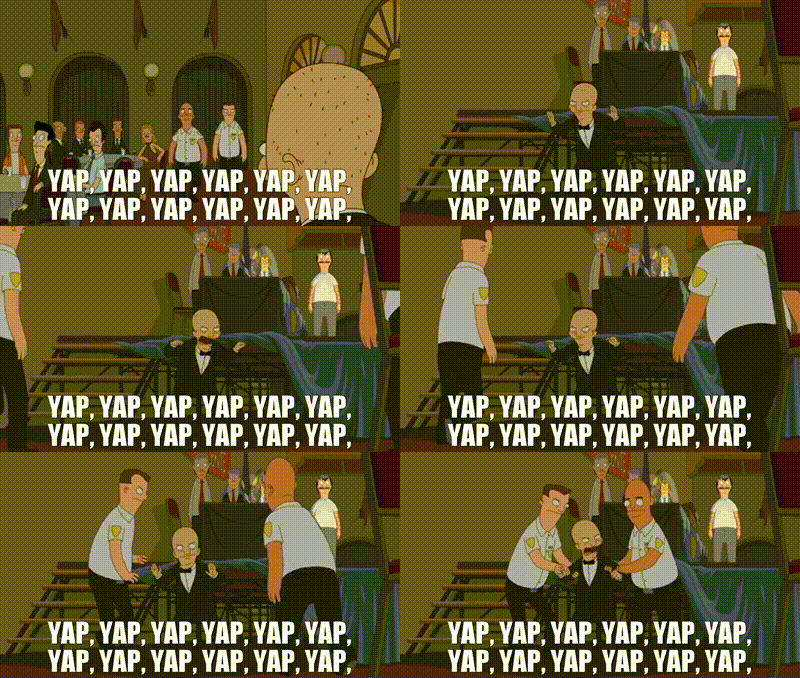
Character study: Hugo from Bob’s burgers

He’s a health inspector… with some serious beef

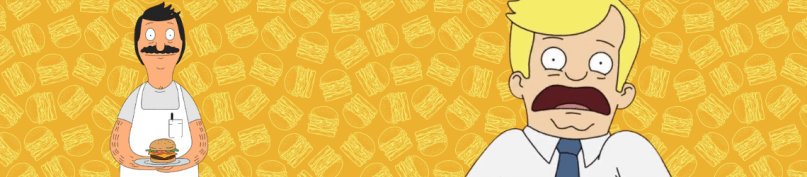
Hugo the health inspector might be the ultimate antagonist for any restaurant owner, but for Bob at Bob’s Burgers, he is lucifer himself.

One of my goals for this blog is to post stuff that helps other writers develop their craft in a way that doesn’t make them want to claw their own eyes out. And what better way than to study some of my favourite fictional characters?

Hugo Habecore is one of these characters. He is an antagonist from the animated series, Bob’s Burgers, and possibly one of the most subtly effective side characters I’ve seen in a TV show in a long time. I’m not sure what that says about the quality of the shows I watch, but there we go.

What is Bob’s Burgers?

“Laughter is sunshine, it chases winter from the human face.”

Bob’s Burgers is an animated TV series created by Loren Bouchard for the Fox Broadcasting company and premiered in January 2011. Apparently the first episode, “Human flesh” drew nearly 10 million viewers when it aired. Those are some nice looking numbers.

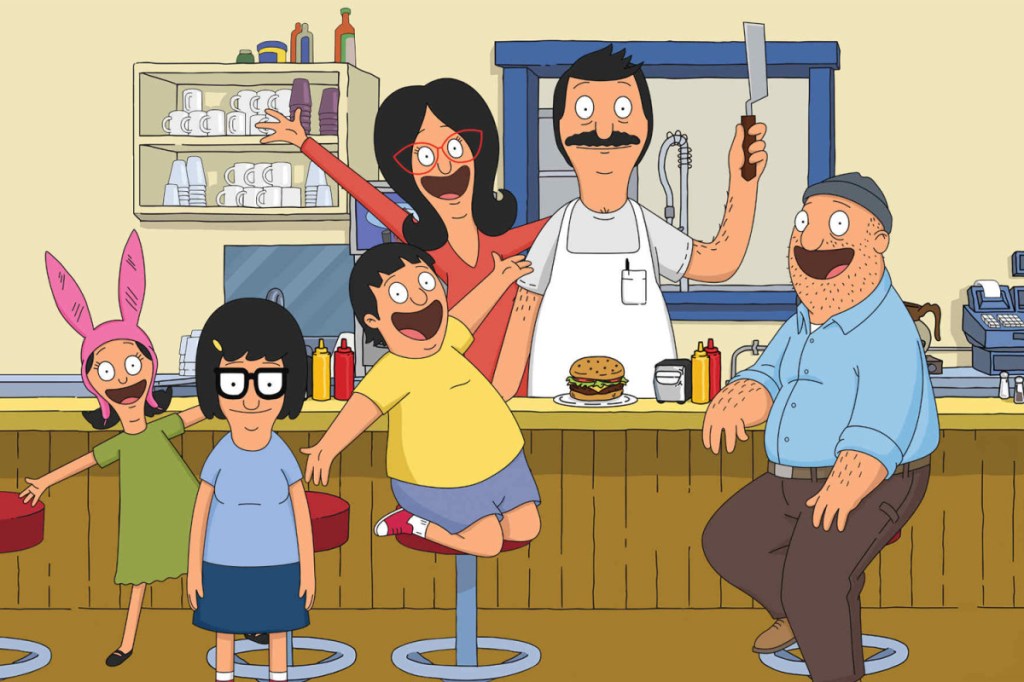
The show follows the Belcher family and its patriarch, Bob, as they navigate owning a small burger restaurant. It’s a family sit-com that focuses heavily on its characters and their hijinks. The show isn’t aimed at or marketed towards children, but it is more family friendly than some of its predecessors like Family Guy, and has been described as the spiritual successor to King of the Hill. And as shows go, I think it’s pretty damn good.

Who is Hugo?

“It’s a pity the law doesn’t allow me to be merciful, Bob!”

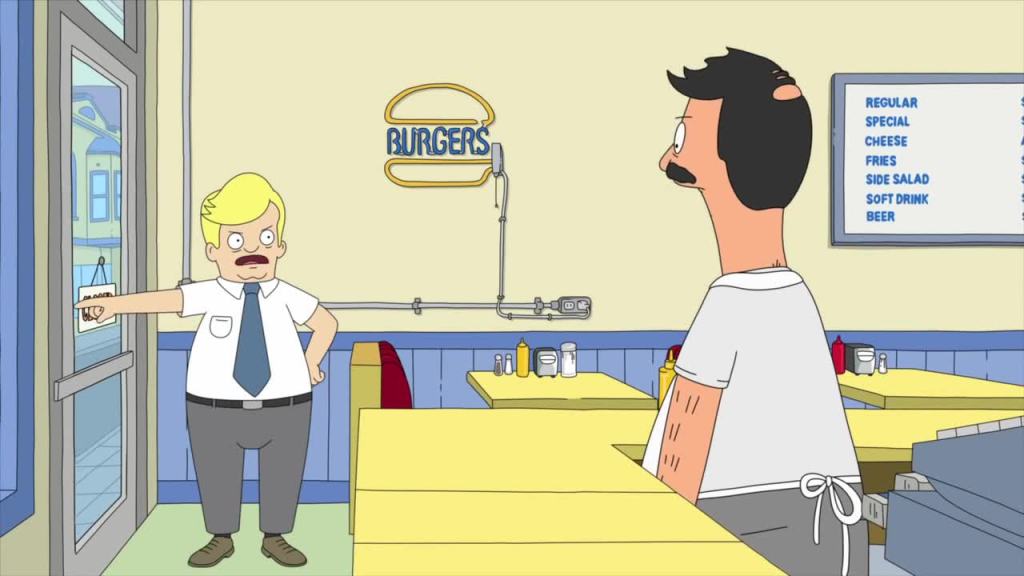
Hugo is a health inspector, first appearing in episode one. He quickly becomes a fan-favourite recurring antagonist, appearing when least expected or wanted, usually when Bob is in the middle of a crisis with the restaurant, or when he decides to take part in one of Teddy’s schemes (such as when Teddy convinces Bob to sell home-brewed beer). Hugo is an angry, bitter, rules jockey with little shame (and fewer scruples) when it comes to Bob Belcher.

If you ever wanted a comparison of the dynamic between Hugo and Bob, consider the characters Javert and Valjean from acclaimed book (and musical) Les Misérables by Victor Hugo. Hugo is Javert, the epitome of lawful evil, driven to petty acts of malice under the guise of public health.

“And I’m Javert! Do not forget my name. Do not forget me, Bob!”

Character Backstory:
Hugo was jilted by his former fiancé, Linda, who left him for Bob. Bob and Linda are now happily married with three children, something that fuels Hugo’s rage and obsession with the burger man.

Motivations:
Hugo has 2 motivations: Destroy Bob, and protect consumers from poor food hygiene.

Hugo sees Bob as a rival for Linda’s affections, the antithesis of food hygiene, and prey. He often toys with Bob, using his status as health inspector to torment him, even (temporarily) shutting the restaurant down whenever he gets the chance.

Hugo prides himself on being the best at whatever it is he’s doing, from his status as a health inspector to nude beach Grecian wrestling. So when he’s into something, he commits. This often leads to internal conflict between his need to do things by the book, and his desire to destroy Bob.

“And so it must be, for so it is written on the doorway to Paradise, that those who falter and those who fall must pay the price, Bob!”

Who is an antagonist without his wingman?

Hugo is tempered by his assistant, Ron, a tall, blonde moustachioed bombshell with a mild mannered voice and even milder disposition. For as perpetually angry as Hugo is, Ron is calm – the Yin to Hugo’s Yang, if you will. Ron has many notable moments of his own in the show, but primarily his character exists to keep Hugo from the brink of true villainy, pulling him back every time he risks slipping from lawful pettiness into evil. Ron also adds a level of humanity to Hugo in the eyes of others, reminding them and the audience that whilst Hugo is antagonistic, he is still human.

“There are men who dig for gold; he dug for compassion. Poverty was his goldmine; and the universality of suffering a reason for the universality of charity.”

Notable character moments:

  1. In the Lobster fest episode, after Bob freaks out and falls into the butter pot, thus contaminating it, Hugo (after some convincing by Ron, admittedly) comes to the rescue, deeming the butter safe to eat and saving the festival.
  2. In the episode “Speakeasy rider”, Hugo’s instincts are on the money as he tries to catch Bob selling home-brewed beer in the restaurant. The only reason Hugo doesn’t win here is because his supervisor won’t let him continue his harassment of Bob. Bob gets away with it (at some cost, because in order to keep up the farce, he turns to baking bread and pretending to serve breakfast) and Hugo is forced to abandon his mission.
  3. In episode “weekend at Mort’s”, Hugo torments Bob, closing the restaurant down after discovering black mould on one of the walls. At the end of the episode, Bob notices Jimmy Pesto has the same mould on his wall, and Hugo casually says that you can just put bleach on it. It’s equally hilarious as it is infuriating – and possibly relatable for anyone who’s ever had to work in the food industry.
  4. In “are you there, Bob, it’s me, birthday”, Hugo distracts Bob for Linda as a favour so that she can plan a surprise birthday party for him. Hugo does so despite hating Bob, and even proves to Bob by the end of the episode that not only is he effective in his job as a health inspector, but that he is actually providing a necessary service to consumers.
  5. In the episode “Nude Beach”, Hugo saves the restaurant from the corrupt behaviour of rogue health inspector Tommy, who threatened Bob with rat droppings after Bob asked him not to play his NSFW music in the restaurant. After defeating Bob in the ‘nudecathlon’, Hugo states that he wants to be the one to bring Bob down, the right way.

“There are people who observe the rules of honour as we do the stars, from a very long way off, Bob!”

Why is Hugo a great character?

Hugo is the antithesis of Bob, as a burger joint is to a health inspector. Simple, right? Bob runs a burger joint and Hugo is the health inspector. Case closed. You don’t need to keep reading.

But wait!

Much like the fresh or caramelised onion that accompanies any good burger, there are layers to this simple premise. Hugo might be Bob’s number one enemy, and downright infuriating at times, but he is a very entertaining and effective character, well written (and voiced) and perfectly encapsulates ‘little man syndrome’. Hugo is such an effective character because he could very easily be real. He’s not just a caricature of health inspectors and villains, he’s a fully realised person that you actually imagine existing in real life. We’ve all met someone like Hugo. We’ve all encountered a petty little rules lawyer who works in some form of administration or bureaucracy. Someone who stands in the way of your dreams, brandishing red tape and piles of paperwork.

Not convinced yet? Ok, fine.

Hugo doesn’t want to rule the world, murder anyone or ravage anyone’s daughters (unless you count his pining for Linda), or destroy the food industry in its entirety. He’s just a health inspector with a particularly strong (and only slightly justified) disliking for one man. And, however petty and questionable his behaviour throughout the show may seem, he does actually have some redeeming qualities. Hugo doesn’t want Bob to lose the restaurant, or cause Linda any suffering, even going out of his way to help her at times. Hugo stops another health inspector from shutting the restaurant down because it wasn’t done correctly or fairly. Hugo even allows minor violations to go unpunished at times in favour of Bob. Hugo absolutely wants to destroy and humiliate Bob, this is true, but it must be on his terms. This is what makes him such an effective antagonist. He’s not there just to be farcical or infuriating – I mean, he can be infuriating, but not so much that the audience stops enjoying his antics.

Final thoughts

The reason I chose Hugo as a character study is primarily because I was recently binge-watching the show. The other reason is because Hugo represents a very real antagonist in most of our lives. He represents not only a smaller authority with the power to make life difficult, but also what happens when that authority has the potential for corruption in the face of petty grievance. Hugo tows the line of villainy, never quite crossing over. But you know he wants to.

Hugo doesn’t want to ruin Bob for the sake of it, he wants to defeat him in the game of health inspection and restaurant ownership, to demonstrate his superiority and dominance like the tiny little lion he is.

We all have a Hugo in our lives. Maybe we have a Hugo in our hearts.

I know I do.

Don’t ask me where I got this image